
Itinerary, check. Flights, check. Accommodation, check. Visa and important documents, check. Your African adventure is booked, and your trip is just a few days away. You can hardly contain your excitement as you prepare for an adventure of a lifetime. There is only one thing left to do: pack.
You open your suitcase and begin rummaging through your closet. But then the realization finally hits. What should I pack? What’s the weather like? Do I need specific items for different experiences? Are there any luggage restrictions?
Here is the ultimate African packing guide for safaris, beach and tropical escapes, gorilla trekking, desert and dune tours, cities, wine experiences, as well as luggage restrictions, health and medical items, gear, and more.
General Clothing Guide: Why Layering Is Your Superpower
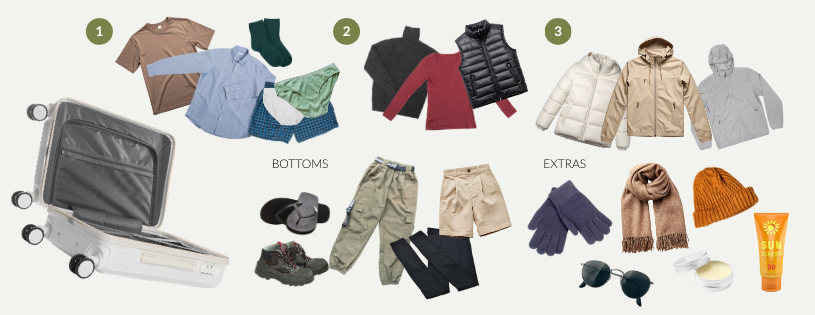
When travelers think of Africa, they usually picture warm, sunny weather, golden plains, and balmy nights. What they don’t expect is temperatures shifting constantly within a single day. Mornings can be chilly, afternoons scorching, with brief mid-afternoon showers, and cool evenings. That is why layering is essential: it lets you adapt your outfit to whatever the weather throws at you.
Here’s how to build your layers, from the inside out:
Layer 1: The Base Layer (Next to Your Skin)
This layer keeps you cool and dry. Choose light, breathable fabrics that dry fast.
- Short-sleeved T-shirts or tank tops
- Long-sleeved lightweight shirts (great for sun and bug protection)
- Comfortable underwear and socks (moisture-wicking if you can)
Layer 2: The Mid Layer (For Warmth)
This is your “chilly morning” layer. It should be soft, light, and easy to pack.
- A fleece or light wool sweater
- A thin puffer or down vest
- A long-sleeved top for cool evenings
Layer 3: The Outer Layer (For Wind and Rain)
This layer protects you from the elements. It should fold small and weigh very little.
- A lightweight, waterproof rain jacket for those quick afternoon showers
- A windbreaker for open vehicles and boat rides
- A warm jacket if you’re visiting in winter or heading to the mountains or desert
The Bottom Half
You don’t need to layer as much here, but options help.
- Lightweight, quick-dry trousers
- Shorts or a knee-length skirt for hot afternoons
- Thermal leggings for cold mornings or high altitudes
- Comfortable walking shoes: closed shoes when on safari, hiking, or desert trips. Flip-flops in the city, beach, or islands.
The Extras
- A wide-brimmed hat for the sun
- Sunglasses
- Sunscreen (high SPF)
- Lip Balm
- A warm beanie for early game drives
- A scarf or buff for dust and chilly winds.
- Light gloves, if you’re prone to cold hands
African Safari Packing List
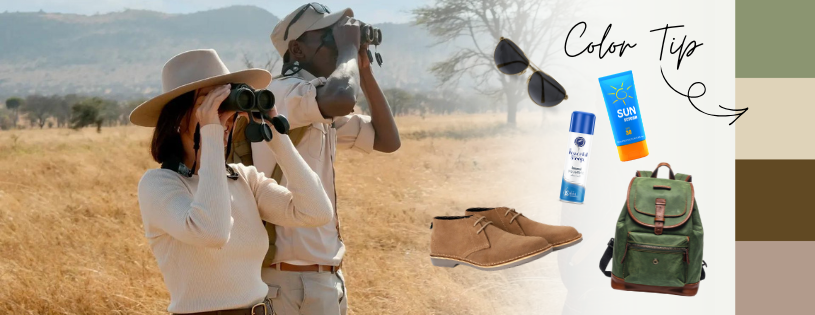
Nothing beats a sunrise game drive, when the plains glow gold and a lion yawns beside the road. Good news: you’ve already packed most of what you need. Every layer above applies to a safari, especially the fleece and windbreaker for chilly dawn drives.
Just add these safari extras:
- Sturdy closed shoes and a pair of sandals for camp
- Your extras: sunglasses, sunscreen, lip balm, etc
- Insect repellent for mosquitoes
- A small daypack for drives and walks
- One smart-casual outfit for dinner at the lodge
- Many lodges and camps do offer daily laundry. However, always double-check with them just in case.
- Gear (list mentioned below)
Color Tip: Stick with khaki, beige, and olive. They hide dust and look great in photos. Avoid bright colors and white as they attract tsetse flies.
Gorilla Trekking Gear Essentials
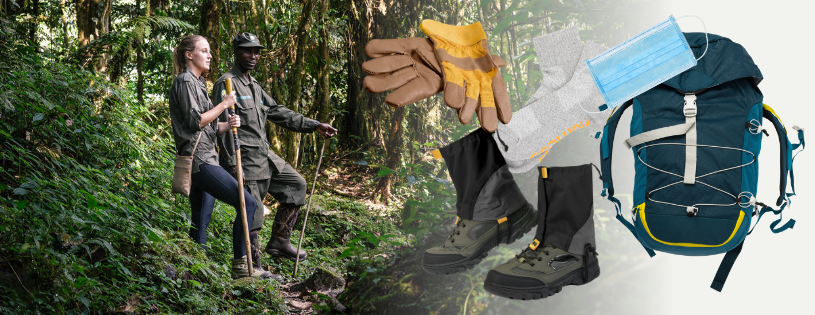
Trekking to see mountain gorillas is muddy, steep, and wonderful. Your general layers work here too but wear long sleeves and long trousers every time to guard against stinging plants. Then add:
- Waterproof hiking boots – they need to be well worn-in to avoid blisters
- Gaiters to keep bugs and mud out of your boots
- Hiking or gardening gloves for grip and protection against prickly plants
- Extra pairs of thick, moisture-wicking socks
- Small backpack for water, snacks & rain gear
- A spare face mask, since trekkers are often asked to wear one near the gorillas
Hiking Essentials
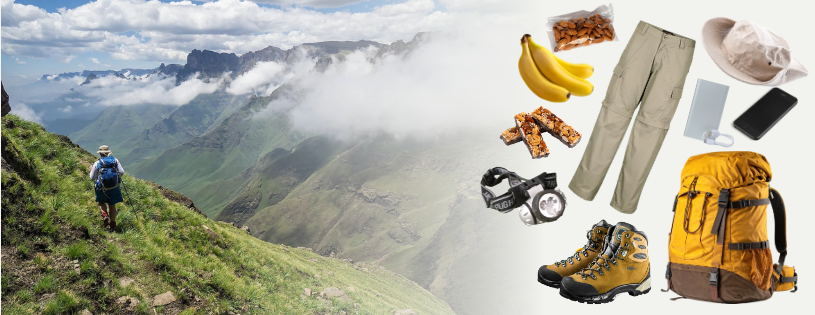
Africa has a trail for everyone. Table Mountain and Lion’s Head are small peaks, and you can climb either one in just a few hours. Then there are the big ones, like Kilimanjaro or the Drakensberg, which can take days. The scenery changes, but one rule stays the same: the weather on a mountain can change fast. It might be warm and sunny at the bottom, then windy and cold at the top.
Your general layers are the answer. Wear a breathable base layer, add your fleece when the wind picks up, and keep a waterproof jacket in your bag.
For All Hikes
- Broken-in shoes or boots with good grip (never wear brand-new ones on a trail)
- Quick-dry trousers or shorts
- A small daypack with a rain cover
- Plenty of water, since many trails have little shade
- A sun hat, sunglasses, and high-factor sunscreen (the sun is even stronger up high)
- Snacks like nuts, fruit, or energy bars
- A fully charged phone and a small power bank
- A headlamp if you’re hiking at sunrise or sunset
Big Peaks: Add waterproof boots, spare socks, a warm hat and gloves, trekking poles, and a blister kit.
Beach & Island Escapes
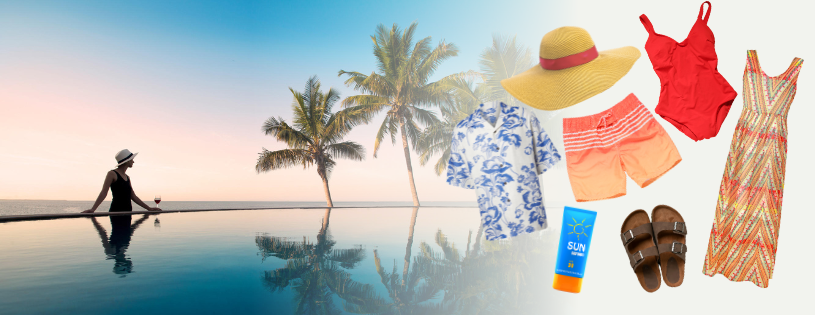
Africa’s coasts and islands are made for flip-flops. Pack swimwear, a cover-up, reef-safe sunscreen, and a big hat. In small coastal towns, people often dress modestly, so bring a sarong or loose shirt for walks. And of course, layered clothing applies here as well.
Desert Adventures
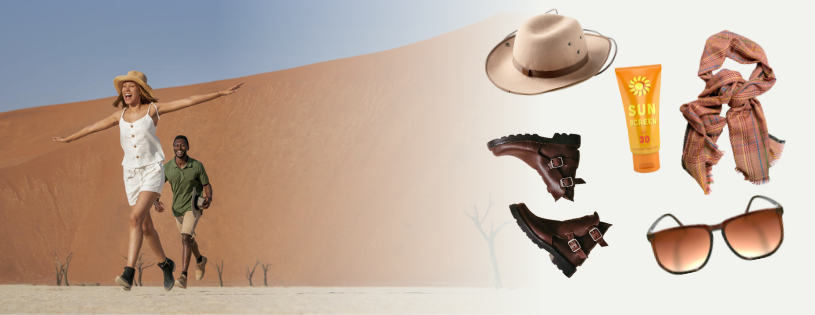
Desert days are hot, and nights can be freezing. Climbing a dune at sunrise, with cool sand under your feet, feels unreal. Your layers are the star here. Add a scarf for wind and sand, sunglasses, sunblock, and closed shoes. Seal electronics in zip pouches.
Urban & City Sightseeing
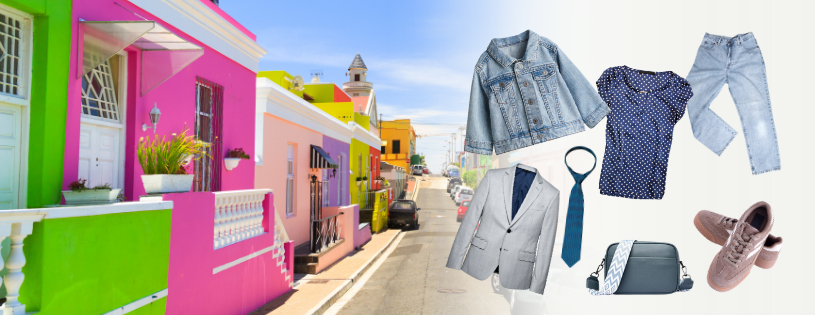
Africa’s big cities are busy, colorful, and full of life. Expect long days on foot, from street markets to museums to rooftop dinners. Your general layers work here too.
Then add these city essentials:
- Comfortable walking sneakers or stylish flats for cobbled streets and markets
- Casual daywear: jeans, chinos, blouses, denim jacket, or casual dresses
- Smart wear: when dining at a fancy restaurant
- A zip-up crossbody bag to keep your things safe
NOTE: Leave flashy jewellery at home.
Winelands Tours
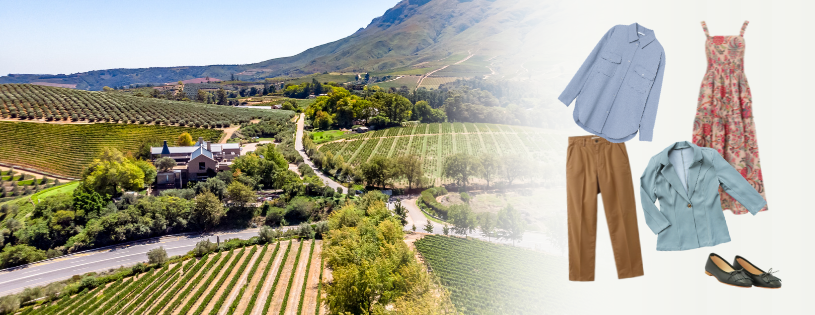
Sipping Chenin Blanc beneath the mountains in the Cape Winelands calls for smart-casual clothes, like a sundress, chinos, or a linen shirt. Wear flat shoes for gravel paths and keep a light jacket handy for cool evenings.
Essential Africa Travel Documents & Practical Requirements
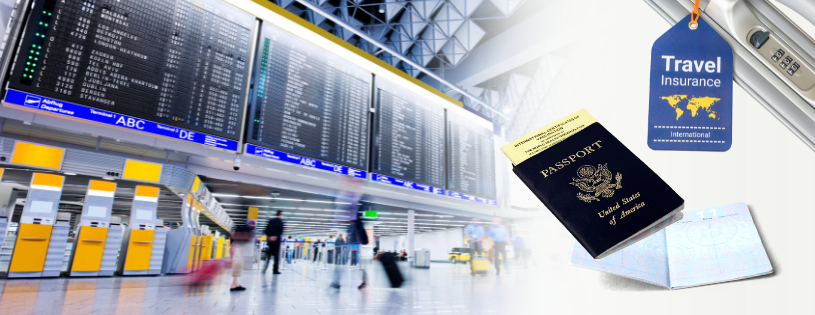
Before you step onto the tarmac, ensure your paperwork is flawless.
- Passport – must have at least two blank pages and be valid for 6 months beyond your departure date
- Visas or e-visas (printed and on your phone)
- Travel insurance details
- Flight and lodge confirmations
- Yellow fever certificate (only needed if entering a Yellow Fever zone)
Tip: Always keep extra copies in a separate bag.
Africa Medical Checklist: Health, Vaccines & First Aid
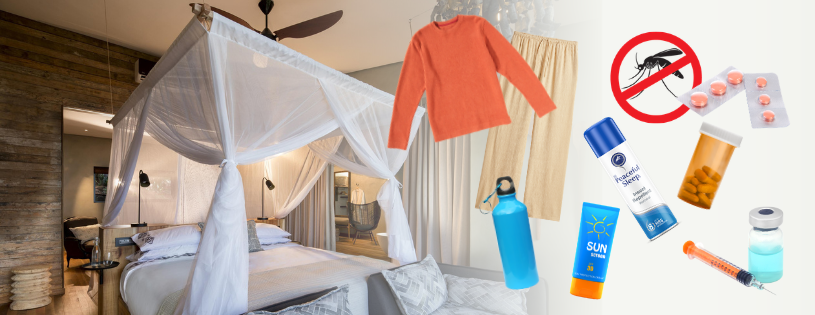
Book a visit with a travel doctor 4 to 6 weeks before departure, so any vaccines have time to work and you leave with a clear plan.
Medication & Essentials
- Bring enough prescription meds for the entire trip
- Pack a copy of your prescription and your doctor’s contact information
Malaria
Most safari regions are malaria areas.
- Anti-malarial medication is recommended (consult your doctor)
- Wear long sleeves and pants in the evenings
- Use insect repellent and sleep under a mosquito net
Sun Safety
The sun is intense. Sunburn and sunstroke are common.
- Use high-factor sunscreen, wear a hat, sunglasses, and stay hydrated
Yellow Fever Vaccination Certificate
If you are visiting a Yellow Fever area:
- Consult your doctor about yellow fever vaccination requirements
- You will need proof of vaccination when traveling
Altitude Sickness
Higher altitudes, like gorilla trekking, can cause Acute Mountain Sickness (AMS). Symptoms include shortness of breath, fatigue, headaches, and nausea, and the risk grows the higher you go. Fitness doesn’t guarantee prevention.
- Rest on your first day and avoid strenuous activity
- Drink at least 3 liters of water daily
- Limit alcohol, since it dehydrates and worsens symptoms
- Eat plenty of carbs to help your body adjust
- Bring medication to manage headaches
Essential Travel Gear: Gadgets & Tech for Every Adventure
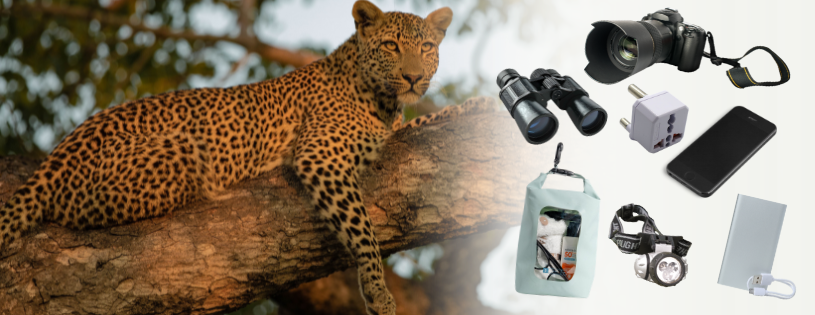
The right gear turns a good trip into an unforgettable one, whether that’s spotting a leopard in a tree or capturing a city sunset. Here’s what to pack, and where it earns its place in your bag.
Binoculars: A must for game drives and birdwatching, and handy for scanning a mountain trail or a dune-scape too. Some lodges offer a pair to share, but it’s worth bringing your own if you can, especially 8x42s.
Smartphone: Covers most trips these days: photos, maps, translation apps, and boarding passes all in one. A good phone camera is often all you need for cities, beaches, and casual game drives.
Camera with a zoom lens (optional): Worth the extra weight if a photography safari is a priority. Skip it for city or beach trips if you’d rather travel light.
Power bank: Essential everywhere, but especially on safari and multi-day hikes, where charging points can be scarce.
Universal plug adapter: A must for every stop, since plug types vary across the continent.
Headlamp or small torch: Useful for dark camp paths on safari, pre-dawn starts on a hike, or load-shedding in cities.
Dust-proof pouch or dry bag: Protects cameras and phones on bumpy safari roads, dusty deserts, and rainy gorilla treks alike.
Tip: Pack light on gadgets where you can. The more you carry, the more you’ll be minding your bag instead of the view in front of you.
Africa Luggage Guide: Packing Restrictions
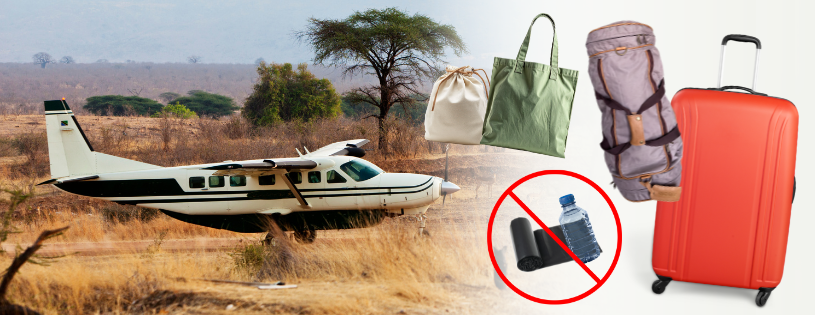
Luggage allowances vary depending on the airline and the type of trip, so it pays to check before you fly.
Light Aircraft Flights (Shuttles / Charters)
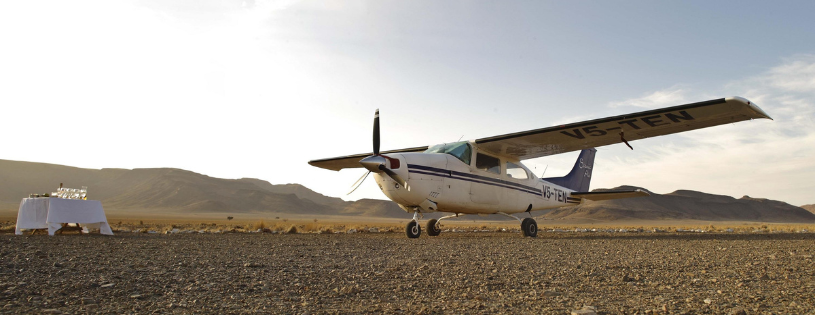
If your itinerary includes a bush flight between safari camps, or a transfer to a remote lodge, these rules usually apply:
- Soft-sided bags only, no hard-shell suitcases or rigid frames
- Max weight is usually 20 kg (44 lbs) total, including carry-on and camera gear
- Some flights limit you to 15 kg (33 lbs); this will be confirmed at booking
- Bag size limit: 25 cm (W) x 30 cm (H) x 62 cm (L), or 10″ x 12″ x 24″
- Wheels are allowed only if they’re not part of a hard structure
- Combining scheduled flights with air transfers often means a stricter allowance applies
- Excess baggage will incur an additional charge
Tip: Use a duffel-style bag that’s completely soft-sided, so it fits easily into the aircraft’s luggage hold. If your trip also includes cities, beaches, or winelands, pack a small foldable bag for those legs, and store any excess luggage at your safari operator’s office while you’re in the bush.
Plastic Bag Bans
These rules matter wherever you’re headed, not just on safari:
- Plastic bags are completely banned in several countries, including Kenya and Rwanda
- Single-use plastics like bottles and straws are banned inside national parks and protected areas, so this applies directly to safaris and gorilla trekking
- Refrain from carrying disposable plastic bags or Ziploc bags in your main or hand luggage, whether you’re headed to a safari camp, the coast, or a city, to avoid inconvenience on arrival
- Pack cloth bags or reusable packing cubes instead; they’re useful for every leg of the trip
Pack Smart, Travel Light, Enjoy More
There’s a moment that happens on almost every African trip. Maybe it’s the second you reach the top of a dune, and the whole desert opens up in gold. Maybe it’s a glass of wine as the sun sets over the vineyard, or the moment you finally spot all of the Big 5 on one unforgettable game drive. Maybe it’s just your feet in warm sand, with the ocean stretched out ahead.
Whatever it is, you don’t want to be thinking about your bag in that moment. You want to be there. That’s what this guide comes down to. Pack in layers, choose soft bags, take your health prep seriously, and leave a little space for whatever you find along the way.
So, zip up that bag, tuck away your documents, and go. Africa, in all its forms, has been waiting. Now you’re ready for it too.
Related Topics:
Southern Africa vs East Africa: Which African Safari & Travel Experience is Right for You?