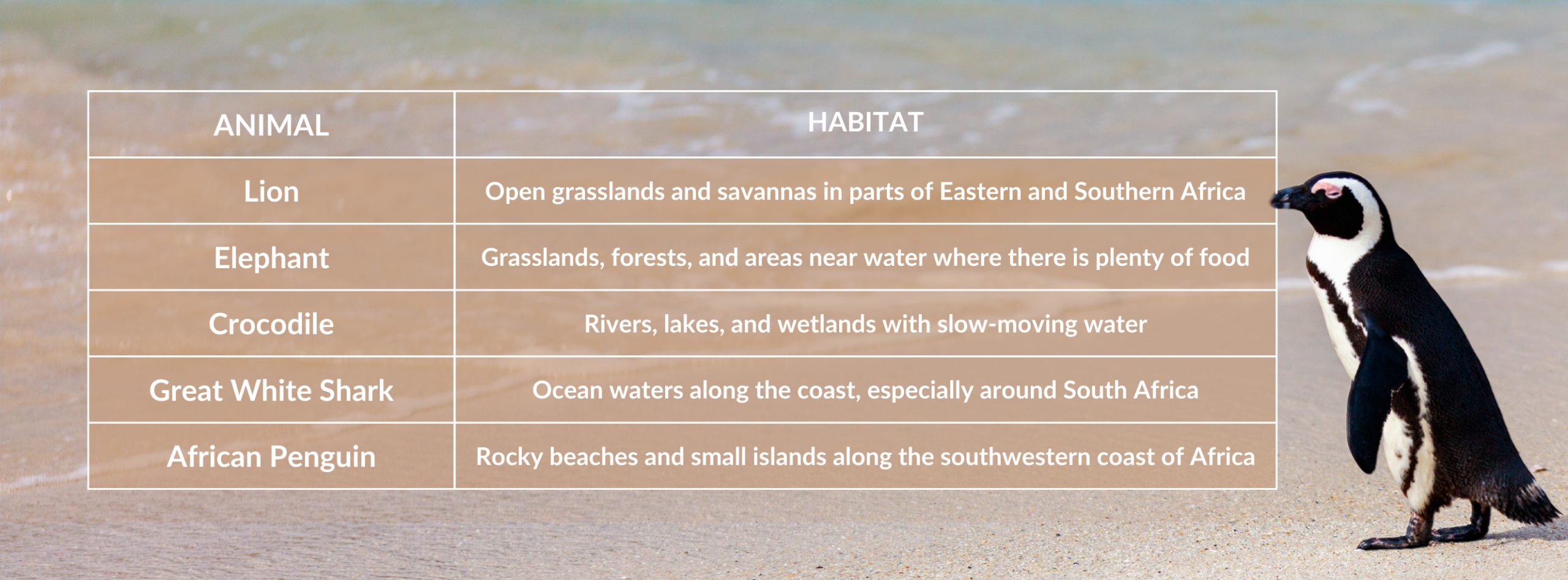
For many travelers, the idea of Africa and its wilderness is shaped by movies, documentaries, and old travel stories. These often show endless grasslands filled with dangerous animals and rugged explorers living in survival mode. While those images can be dramatic, they do not tell the full story.
In reality, Africa’s wilderness destinations are diverse, carefully protected, and managed by conservation teams and ranger guides. Safaris today are about observing animals responsibly while supporting conservation and local communities.
Before arriving on safari, many visitors carry a few common misconceptions about Africa’s wilderness. Let’s take a closer look at some of the myths we hear most often and set the record straight.
Myth: Africa Is One Single Destination
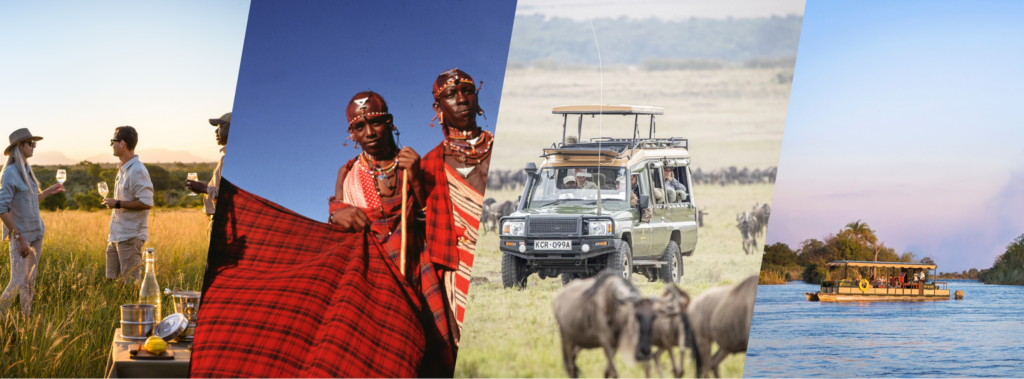
One of the most common misconceptions about Africa is that it is a single country or place.
In reality, Africa is an immense and remarkably diverse continent made up of 54 independent countries, each with its own cultures, languages, histories, landscapes, and wildlife habitats.
From the deserts of Namibia and the savannas of Kenya to the vineyards of South Africa and the islands of the Indian Ocean, every region offers something distinctly different.
Myth: Africa’s Wild Side Is One Endless Savanna
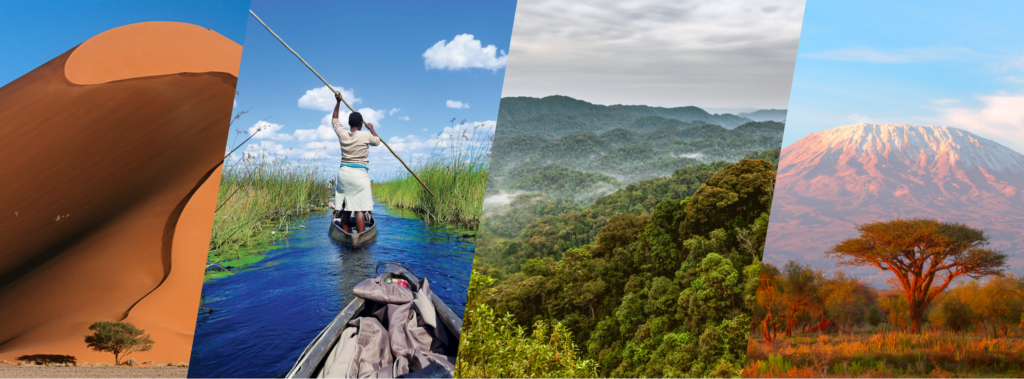
The golden grasslands seen in documentaries are iconic, but they represent only one of Africa’s many ecosystems.
The continent is home to an extraordinary range of environments and ecosystems. There are vast deserts like the Sahara, rainforests in Rwanda, wetlands such as the Okavango Delta, breathtaking mountain ranges like Kilimanjaro, and beautiful Indian and Atlantic coastlines.
Each landscape supports different wildlife. Gorillas thrive in forested mountain regions, elephants roam the savannas, and flamingos gather along alkaline lakes.
Did you know?
Many safari sightings happen during early morning or late afternoon when animals are most active.
Myth: Wildlife Walks Through City Traffic
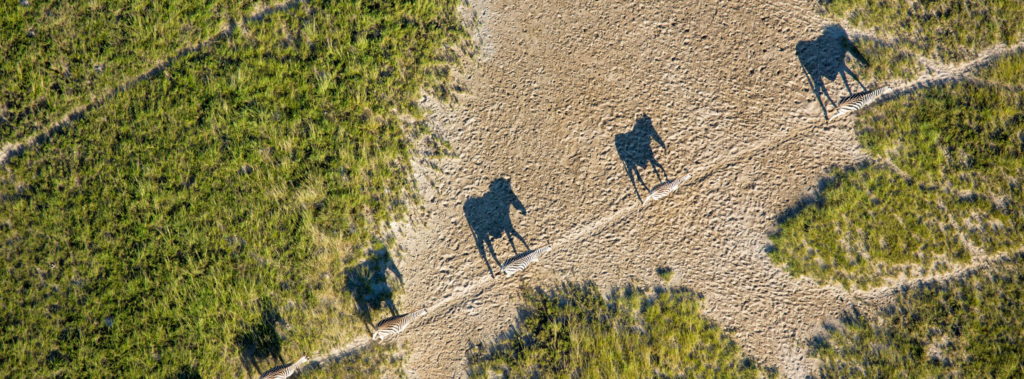
Social media sometimes shows elephants wandering near villages or lions appearing close to towns. These rare moments can give the impression that wildlife is everywhere.
In reality, most animals live inside protected national parks, private reserves, and conservation areas. Cities such as Nairobi, Cape Town, and Johannesburg operate like modern urban centers anywhere else in the world.
Wildlife encounters usually happen far from city streets, in carefully protected environments where guides know the terrain and animal behavior well.
Myth: Wild Animals Are Always Looking to Attack Humans
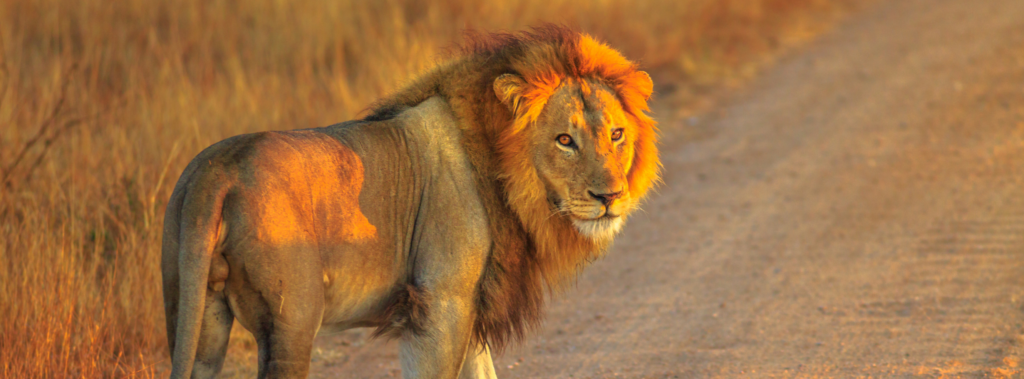
Many first-time safari travelers worry that predators might see humans as prey.
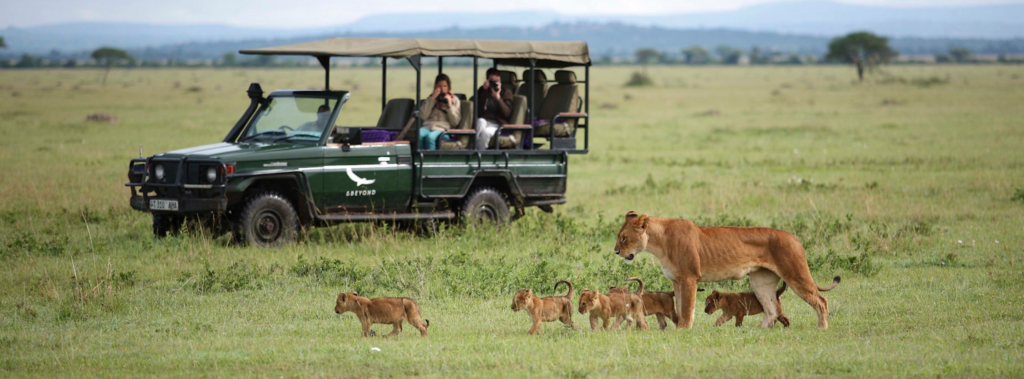
In truth, wild animals generally prefer to avoid people whenever possible. Safari guides often explain that animals do not view humans in vehicles as natural prey and tend to ignore them entirely.
Most game drives involve quietly observing animals as they go about their daily routines: resting in the shade, grazing, hunting, or caring for their young.
With experienced guides and clear safety guidelines in place, safaris are considered a very safe way to experience wildlife up close.
Myth: You Have to Rough It on Safari

Some travelers imagine safaris as rugged camping trips with minimal comfort.
While traditional camping safaris do exist, many safari lodges today combine wilderness with unmatched 5-star comfort. Spacious rooms, excellent food, and thoughtful design allow guests to relax while still feeling connected to nature.
Many properties are designed to blend into their surroundings, with open decks overlooking rivers, waterholes, or wide landscapes. From your room, you might watch elephants drinking nearby or hear lions calling in the distance.
Safari is not about survival. It is about experiencing the wild while enjoying exceptional hospitality.
Tip:
Always pack layers for a safari – Read Our Complete Safari Packing Guide.
Myth: Safari Parks Are Like Giant Zoos
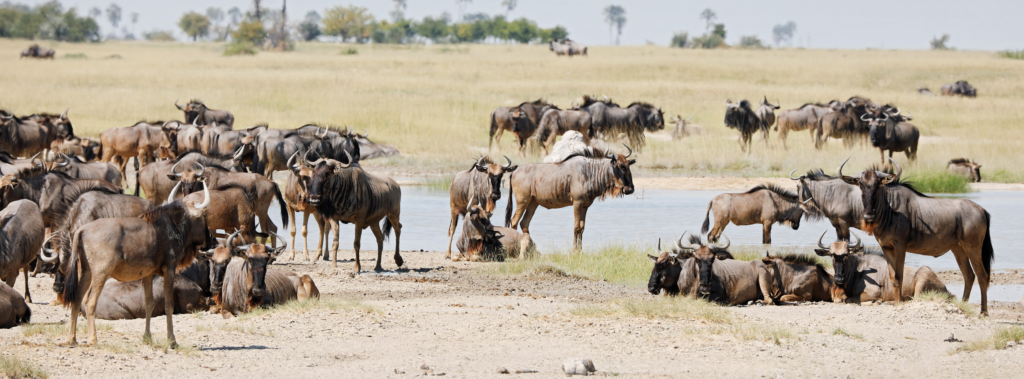
A common misunderstanding is that wildlife parks operate like large zoos where animals are easy to find.
The reality is very different. In Africa’s national parks and reserves, animals roam freely across vast ecosystems. Guides track animals using their knowledge of the landscape, but sightings are never guaranteed.
This unpredictability is part of what makes a safari so exciting. One day, you might watch a herd of elephants crossing a river. Another day might see a leopard resting in a tree or a group of giraffes stretching their necks toward a branch, munching on leaves. Every game drive is different.
Myth: Safari Is Only About the Big 5
Lions, elephants, rhinos, leopards, and buffalo, the famous Big 5, are certainly iconic safari animals. But Africa’s wildlife story goes far beyond these five species.
The continent is home to an incredible diversity of life, from brightly colored birds and graceful antelope to reptiles and insects.
Many travelers discover that some of the most memorable safari moments involve animals they had never heard of before: a curious meerkat standing guard, a hyena clan interacting at dusk, or a fish eagle calling across a river.
Myth: Poaching Is the Only Threat in Africa
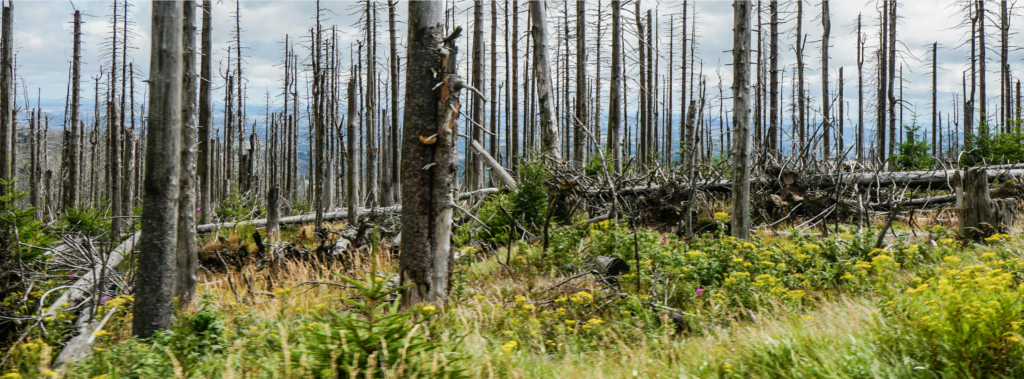
Poaching has long been one of the most visible threats to wildlife, particularly for species like rhinos and elephants. However, it is not the only challenge facing Africa’s ecosystems.
Wildlife also faces pressures from habitat loss, climate change, expanding infrastructure, and human–wildlife conflict. Conservation today focuses on protecting entire landscapes so animals can continue moving freely across their natural habitats.
Responsible tourism plays an important role in these efforts. Many safari destinations support conservation projects, help protect wildlife habitats, and create jobs for local communities. When travelers visit these areas, part of the money from tourism goes back into protecting wildlife, supporting local people, and helping to look after Africa’s wild spaces for the future.
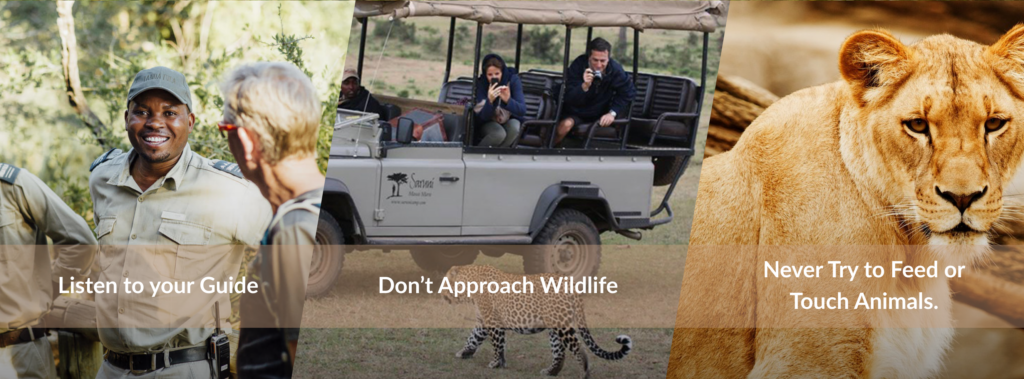
Safari Rule 101
Seeing Africa for Yourself
Africa’s wilderness is far more complex, diverse, and fascinating than the myths suggest. Instead of danger and hardship, visitors often discover thriving ecosystems, remarkable wildlife encounters, and landscapes unlike anywhere else on Earth.
With knowledgeable guides and well-managed reserves, safari experiences allow travelers to witness nature in a responsible and meaningful way.
The key is arriving with curiosity rather than assumptions. When you do, Africa’s wild side reveals a story far richer than any myth.
Related Topics: