
Behind every unforgettable journey in Africa is a guide who brings the wild and the wonderful to life. From ranger guides who can read the bush like an open book to adventure guides who lead you up mountains, down rivers, or across sweeping dunes; each one shapes the way you experience the continent.
Some guides reveal the secrets of the wilderness, others introduce you to life beneath the waves, while many share the stories, traditions, and rhythms of daily life. Together, they are the heartbeat of travel in Africa.
Here’s a look at different types of guides in Africa, and what makes each of them unique.
Ranger Guides: Masters of the Wilderness
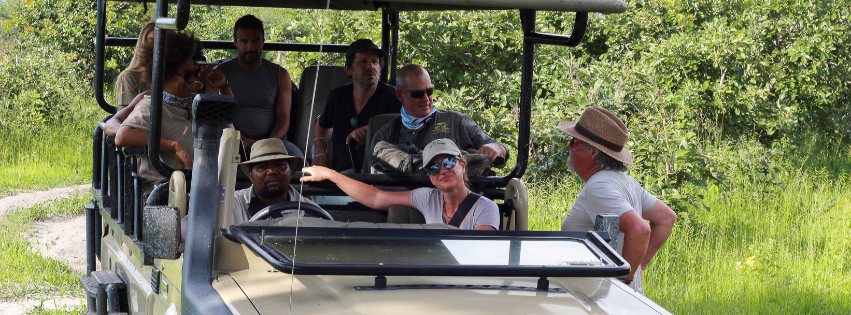
If you’ve ever been on a safari in East Africa or Southern Africa, you know that ranger guides (also called safari guides) are nothing short of amazing. Their knowledge of wildlife and ecosystems is encyclopedic; they seem to know every bird call, every plant, and every animal behavior by heart.
A great ranger guide doesn’t just drive you around to find the Big 5; they interpret the bush so that it comes alive for you. They’ll share stories of how lions hunt or why zebras and wildebeest graze together, turning each sighting into a deeper understanding of nature.
Ranger guides also keep you safe. They know how to approach animals respectfully and read warning signs in animal body language. Their presence and expertise lets you relax and be present in the moment, knowing you’re in good hands.
Trackers: The Eyes on the Ground
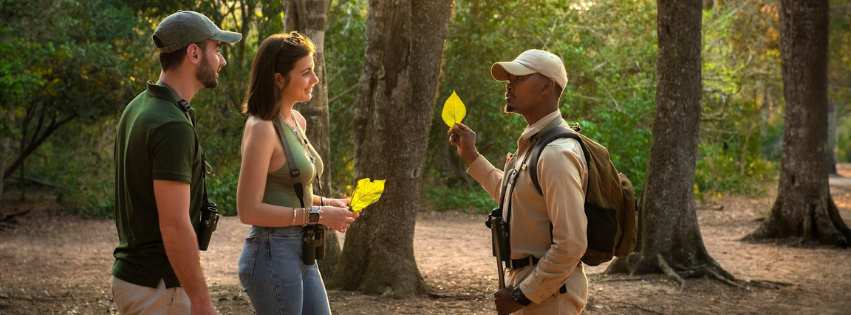
While ranger guides lead the safari, trackers are the unsung heroes who make many of those unforgettable sightings possible. Sitting on a small seat perched at the front of the vehicle, trackers scan the ground and bush for signs invisible to most of us.
To the untrained eye, the dirt road looks smooth and empty, but to a skilled tracker, it’s a storybook of recent activity. A faint paw print, a bent blade of grass, or the alarm call of a bird can reveal which animals passed by, how long ago, and in which direction they’re heading.
In Southern Africa, particularly in places like South Africa’s private reserves or Botswana’s wilderness areas, trackers work in tandem with guides. The tracker spots the signs, sometimes hopping off the vehicle to follow the trail on foot, while the guide interprets the behavior and positions the vehicle. It’s teamwork at its finest. Imagine bumping along in a 4×4 at dawn, your tracker suddenly raising a hand to halt the vehicle. He’s seen the barely-there outline of a leopard track pressed into the sand. Jumping down, he follows it into the bush, reading each subtle clue until he eventually rounds a thicket to find a leopard draped over a branch in golden morning light.
Together with ranger guides, trackers elevate the safari from a game drive into a detective story, where every clue leads to discovery.
Adventure Guides: Leading You Through Thrills
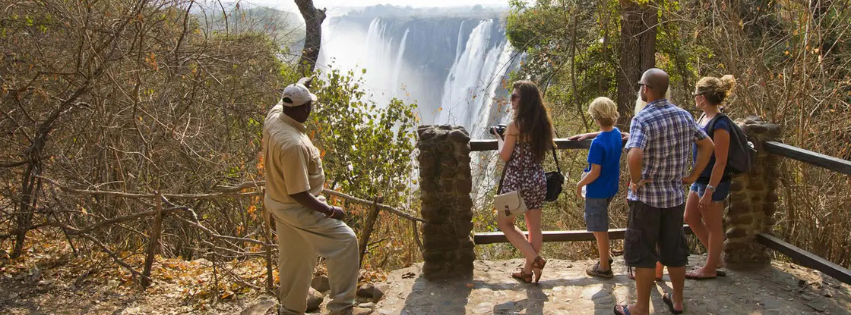
Adventure guides are the daredevils and experts who lead you safely through exhilarating experiences. In East Africa, think of the mountain guides who escort hikers up peaks like Mount Kilimanjaro. They monitor your oxygen levels and cheer you on to boost morale.
In Southern Africa, you’ll find adventure guides of a different kind – those who navigate wild rivers and deserts. Picture yourself at Victoria Falls on a White-Water Rafting adventure. With a paddle in hand and a mischievous grin, your guide helps you navigate the wild rapids, making the high-adrenaline activity fun, cracking jokes (sometimes flipping the raft on purpose for an extra splash), but always prioritizing safety. You’ll end the day soaked and exhilarated, grateful for the guide who got you through the gauntlet.
And then there are the desert guides – perhaps less famous, but every bit as fascinating. In the Namib Desert of Namibia, for instance, adventure guides take you hiking or 4×4 driving across towering red dunes and into otherworldly landscapes. What seems like barren sand comes alive under their guidance. Desert guides will show you the “Little Five” of the dunes: tiny geckos, translucent desert snakes, chameleons, scorpions, and other hidden critters that survive in the harshest conditions.
Marine Guides: Gatekeepers to Underwater Wonders
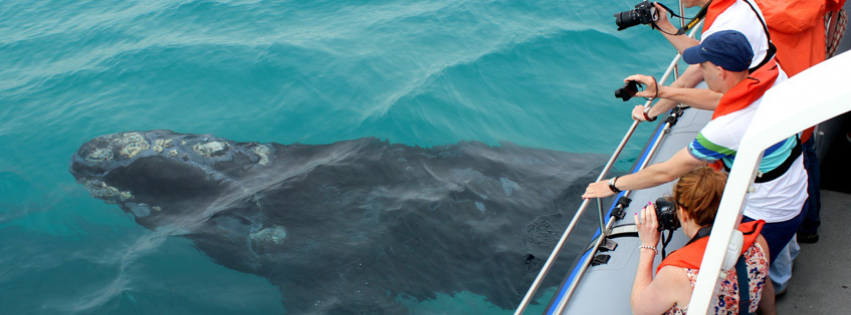
Marine guides are the ones who open up the underwater world for travelers, especially around the Indian Ocean islands and African coasts. These guides are part naturalist, part lifeguard, and part treasure-hunter of the sea. They’ll fit you with fins and a mask, give a safety briefing, then take you by the hand (sometimes literally) into an aquatic paradise.
One minute you’re floating over a coral garden, and your guide is pointing out a well-camouflaged octopus; the next, they signal for you to look up as a green turtle glides past. Under their guidance, you might swim with wild dolphins, admire clownfish darting through anemones, or even encounter a gentle giant like a whale shark or manta ray in season.
They’re experts in the local reefs and marine creatures. In Mauritius or the Maldives, for example, a dive instructor might show you how to hover near a cleaning station where reef fish nibble algae off a sea turtle’s shell. In Mozambique’s Bazaruto Archipelago, a snorkeling guide could help you spot the flicker of a rare dugong surfacing for air. These guides also emphasize safety and preservation: they’ll remind you not to touch corals or disturb marine life, and they often double as marine conservationists, educating travelers about protecting the fragile reef ecosystems.
Cultural Guides: Storytellers of Traditions and Daily Life
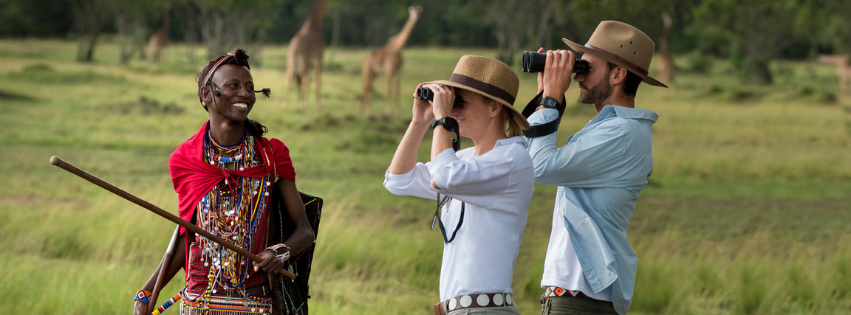
Cultural guides are usually local experts or community members who act as ambassadors to their home and heritage. Across Africa’s diverse regions, from Southern Africa to East Africa to the Indian Ocean Islands, these guides introduce you to the human side of the continent.
In East Africa, you might join a Maasai guide for a walking safari in the Loita Hills of Kenya. By day, he’ll show you how his community uses local plants for medicine or how they graze cattle among wildlife without conflict. Come evening, you’ll sit together under an acacia tree with a campfire crackling. As the stars fill the sky, you listen to folk tales of how the Maasai came to drink cow’s blood, or how a boy becomes a warrior – stories passed down through generations, told with warmth and humor. It’s the kind of insight no guidebook can provide.
In Southern Africa, a cultural guide might be a San Bushman elder in the Kalahari who teaches you to track animals on foot and start a fire with sticks. Or you might find yourself with a local host in a Cape Town township, walking the vibrant streets as she introduces you to neighbors, musicians, and artisans, giving you a genuine glimpse into everyday life.
Cultural guides are there to bridge the gap between you and the local culture. They encourage your questions and are often just as curious about your life as you are about theirs, creating a true exchange.
The Heart of African Travel
African guides elevate every journey. Their passion, knowledge, and warmth are often what linger in travelers’ memories long after the trip. They don’t just show you Africa; they introduce you to it, each in their own unique way.
In a continent so vast and varied, these guides are the threads that weave your experience together. They truly are the unsung heroes and heartbeat of African travel, turning a great trip into an absolutely extraordinary one.