
Southern Africa vs East Africa: Which African Safari & Travel Experience is Right for You?

Savannahs, safaris, beaches, deserts, tropical islands, cityscapes, mountains, ocean encounters, deltas, and gorilla trekking. Africa is a vast continent that is home to a wide variety of environments, natural wonders, wildlife, cultures, history, and experiences.

Breaking it into regions helps bring clarity, especially when planning your trip and deciding what you want to see and do.

Two regions often stand out: Southern Africa and East Africa. Both offer great wildlife, beautiful scenery, and memorable experiences.

GILTEDGE simplifies the choice, helping you find the region that fits your travel style and what you want most out of the experience.

An Overview of Each Region

An Overview of Each Region

Southern Africa refers to destinations on the south side of the continent. What makes this region special is its variety and strong contrasts, with very different landscapes all close to one another. In a short space of time, you can move from bush to deltas, desert to coast, or mountains to city, with each place looking and feeling completely different.

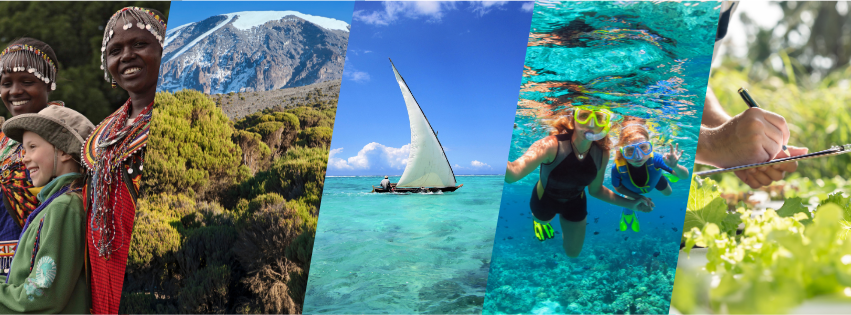
East Africa sits along the eastern side of the continent and is often associated with those classic African scenes in documentaries where the land seems to stretch on without end.  Expect wide-open savannahs, grasslands dotted with acacia trees, volcanic highlands, massive wildlife herds, and tropical islands.

Which Countries are in Southern Africa and East Africa? 

  • Southern Africa: South Africa, Namibia, Botswana, Zimbabwe, Zambia, and Mozambique.
  • East Africa: Tanzania, Kenya, Rwanda, Uganda and Malawi.

Landscapes & Scenery: Southern vs East Africa

Landscapes & Scenery_ Southern vs East Africa

Environment Type

Southern Africa

East Africa

Safari Wilderness

Bushveld, grasslands, thicker woodlands, mixed vegetation, pockets of forest, and varied wilderness that shift between dense and open landscapes.

Open savannahs, wide grasslands that stretch into the horizon. Tall grass, scattered trees, with tropical rainforests in higher regions.

Waterways

Inland waterways, including rivers, wetlands, swamps, floodplains, and winding deltas, where water spreads across the land.

Inland waterways, including large lakes, flowing rivers, and seasonal wetlands that form due to rainfall patterns.

Coastal

Atlantic coastline, Indian Ocean coastline, and varied ocean landscapes.

Indian Ocean coastline, warm waters, white-sand beaches.

Mountains & Highlands

Long mountain ranges, cliffs, rugged highlands, and wide, raised plateaus.

Tall volcanic mountains rising from flat plains, volcanic craters, and steep slopes with forested highlands.

Dry Regions

Arid and warm landscapes from sandy deserts with towering dunes to flat white salt pans.

Semi-arid areas with dry plains and lower rainfall across some regions.

Urban Spaces

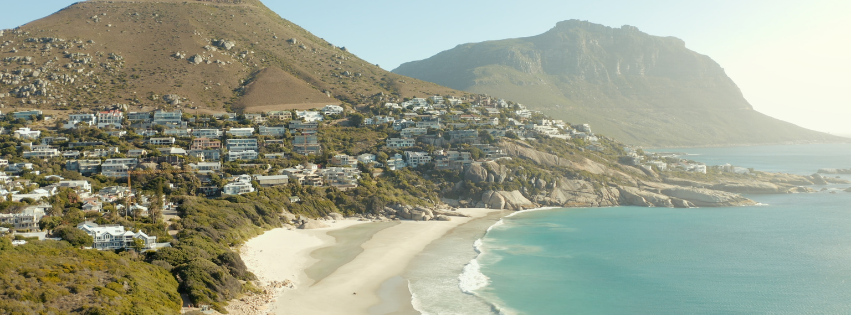
Modern cities surrounded by natural landscapes such as mountains, coasts, and rolling vineyards (winelands).

Energetic cities with strong cultural identity and access to nearby wilderness areas.

Islands

Islands such as the Bazaruto and Quirimbas Archipelagos lie off the coast of Mozambique, boasting crystal clear waters, coral gardens, diverse marine life, and a quiet, remote feel.

Tropical islands such as Zanzibar and Pemba have palm-tree-lined beaches, warm turquoise waters, coral reefs, aromatic spice farms, lush forests, lively markets, and historic cobblestone towns.

Safaris and Wildlife

Safaris and Wildlife

Types of Safaris in Southern Africa:

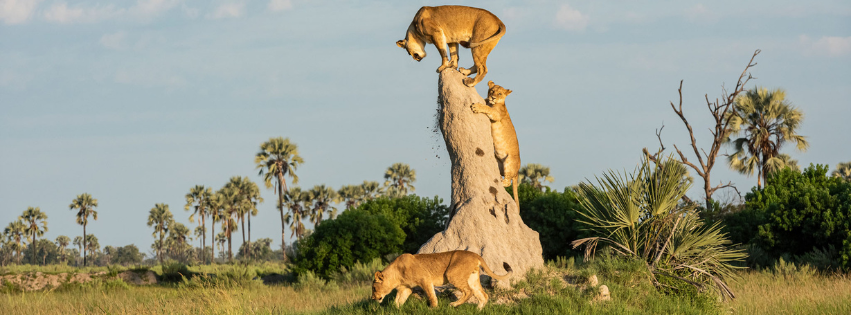
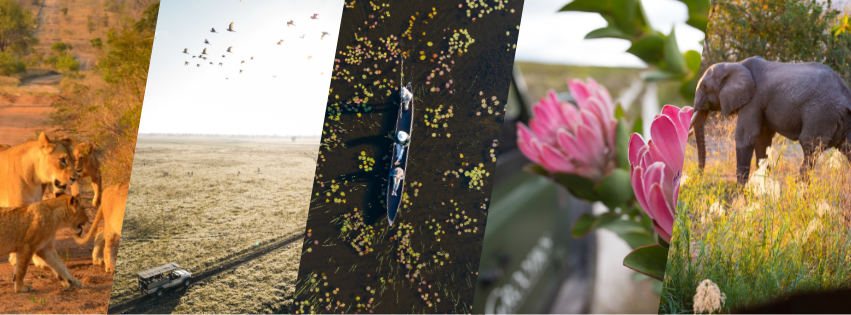
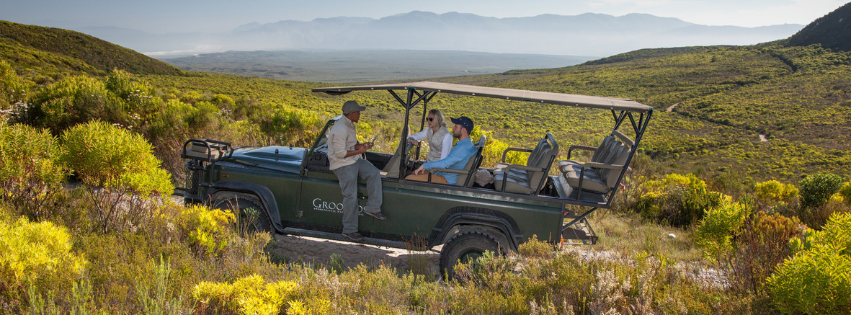
Game Drives in Southern Africa operate in bushveld and grassland areas. Travelers explore the lands in open 4×4 safari vehicles. You may spot the Big 5 (lion, elephant, buffalo, rhino, and leopard), with sightings often unfolding at eye level. During game drives, vehicles will come to a halt at a safe rest stop area for some light snacks and coffee (morning game drives) and sundowners (late afternoon game drives), allowing for a more immersive viewing of the wilderness.

Water-based safaris are a key feature, where you explore deltas, rivers, and channels by boat or mokoro (traditional canoe), offering a fresh perspective with strong birdlife and aquatic species (crocodiles and hippos). River systems also attract animals coming to drink, creating natural viewing opportunities.

Along the coast, marine safaris showcase the marine Big 5 (whales, dolphins, sharks, seals, and African penguins), while island destinations offer snorkeling, diving, and coral reef exploration, with occasional sightings of rare species like the dugong.

Safaris and Trekking in East Africa:

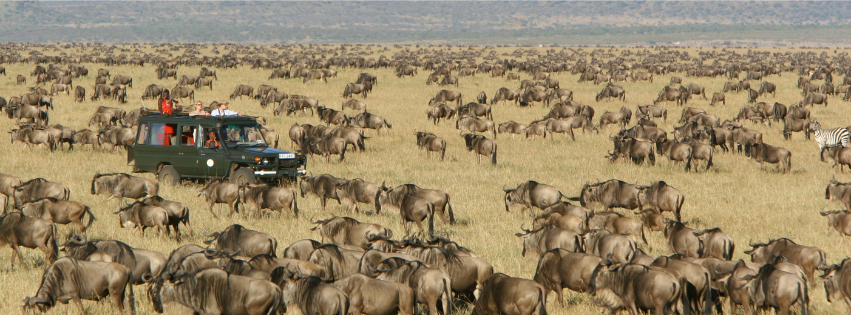
Game Drives here are known for their scale. Many of East Africa’s safari lands are big, wide-open spaces that make it easy to spot wildlife from a distance. The Great Migration is one of the biggest spectacles in East Africa, where massive herds of wildebeest, zebra, and various antelope species move through these landscapes, attracting a host of predators from lions, hyenas, and cheetahs to crocodiles and leopards. This makes sightings more frequent, along with thrilling predator-prey action, birdwatching, and lots of fast-paced movement.

Another highlight is hot air balloon safaris, where you drift quietly above the plains at sunrise, watching wildlife from above.

East Africa is also the only region where you can experience gorilla trekking. Hike through the lush rainforest on an adventure to meet the rare mountain gorillas of the mist.

Experiences Beyond Safaris

Experiences Beyond Safaris_ southern africa

Southern Africa

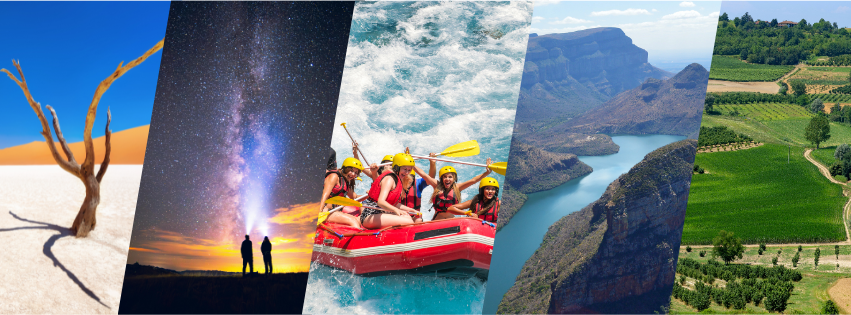
Desert Experiences: Dune walks, quad biking, sandboarding, dune bashing, and wide, open views.

Stargazing: View clear night skies and the Milky Way in remote desert areas.

Thrilling Adventures: White-water rafting, bungee jumping, and ziplining on the Zambezi near Victoria Falls. Scenic helicopter flights over famous natural landmarks.

Natural Landmarks: Iconic natural wonders, including Victoria Falls, Fish River Canyon, Cape Point, Table Mountain, Blyde River Canyon, and the Drakensberg.

Coastal Escapes: Rugged coastal scenery, warm Indian Ocean waters, nutrient-rich Atlantic Ocean waters, surfing, scenic beaches, paddleboarding, kayaking, and sunset cruises.

Winelands: Wine tastings, cellar tours, vineyard views, and picnics

Mountains: Easy hiking trails, cable car rides up Table Mountain, and scenic drives through mountain passes.

City Experiences: Rich dining experiences, art, and cultural hotspots such as historic sites, community visits, and local markets.

Island Experiences: Beach relaxation, dhow cruises, snorkeling, kayaking, and deep-sea fishing.

Wellness & Relaxation: Traditional African spa treatments, quiet nature retreats, and slow travel experiences.

Experiences Beyond Safaris_East Africa

East Africa

Cultural Experiences: Spend time in Maasai villages, learning about daily life, traditions, and community practices. These visits offer a deeper understanding of the people who have lived alongside wildlife for generations.

Mountains: Take in views of Mount Kilimanjaro or take on a guided trek to its summit.

Coffee Experiences: Visit coffee farms, where you can learn about the process from bean to cup and taste locally grown blends.

Coastal Escapes: Unwind on islands like Zanzibar, where white-sand beaches, warm waters, and palm-lined shores create a natural contrast to time spent on safari.

Island Activities: Enjoy snorkeling, swimming, and boat trips, with opportunities to explore coral reefs and marine life in clear, calm waters

Sandbank: Visit remote sandbanks in Zanzibar that appear during low tide, offering a quiet, open space surrounded by ocean, often reached by boat for a few peaceful hours.

Island Hopping: Travel between smaller islands, each with its own character, from fishing villages to quiet beach hideaways

Coastal Culture and History: Busy markets, towns with historic architecture, aromatic spice farms, and mouth-watering cuisine.

Climate and Seasons

Climate and Seasons

Both Southern and East Africa are good year-round, but the seasons shape what you’ll see, how it feels, and how you travel.

Southern Africa (Seasons)

Dry Season (May – October)

Temperature:
20–28°C (68–82°F) during the day.
5–12°C (41–54°F) in the mornings and evenings.

What It Feels Like?
Cool, dry, and clear

What You’ll Experience:

  • Easier to spot wildlife as most of the foliage has disappeared.
  • Lots of animals gathering around rivers and waterholes.
  • Pleasant weather conditions.
  • Clear skies, ideal for stargazing.

Green Season (November – April)

Temperature:

25–35°C (77–95°F).

What It Feels Like?

Warm to hot, with short afternoon rains.

What You’ll Experience:

  • Green, lush landscapes and full rivers.
  • Baby animals and strong birdlife.
  • Fewer travelers and a quieter feel.
  • Great light and scenery for photography.

Cape Town & Surrounds (A Different Pattern) 

  • Summer (October – April): 25–32°C (77–90°F) → Beaches, hiking, winelands, long sunny days.
  • Winter (May – August): 12–20°C (54–68°F) → Whale watching, cozy stays, scenic drives.

East Africa (Seasons)
East Africa (Seasons)

Long Dry Season (June – October)

Temperature:

22–30°C (72–86°F).

What It Feels Like?

Warm, dry, with light breezes.

What You’ll Experience:

  • Consistent wildlife sightings across open landscapes.
  • Shorter grass, making animals easier to spot.
  • Key moments of the Great Migration, including river crossings and high predator activity.
  • Comfortable conditions for game drives and outdoor activities.


Short Dry Season (January – March)

Temperature:

24–32°C (75–90°F).

What It Feels Like?

Warm and slightly humid.

What You’ll Experience:

  • Calving season, with many newborn animals on the plains.
  • Active predator sightings during this period.
  • A mix of green scenery and open space.
  • Good overall wildlife viewing with fewer crowds.

Green Season – Short Rains (November – December)

Temperature:

24–30°C (75–86°F).

What It Feels Like?

Warm and humid, with short afternoon rains.

What You’ll Experience:

  • Fresh, green landscapes returning after the dry months.
  • Fewer travelers and a quieter feel.
  • Good conditions for photography with dramatic skies.
  • Rain usually falls in bursts, not all day.

Long Rains (April – May)

Temperature

24–28°C (75–82°F).

What It Feels Like?

Warm, with steady drizzle and overcast skies.

What You’ll Experience:

  • Very green, full landscapes, and fewer visitors.
  • Slower travel due to wet conditions.
  • A quieter, more relaxed atmosphere.
  • Best suited for travelers looking for space and softer scenery.

Coastal & Island Areas (Year-Round Warmth)

Average Temperatures: 25–32°C (77–90°F)

What It Feels Like: Warm, humid, with sea breezes.

What You’ll Experience: Beach time, snorkeling, dhow cruises, and island stays in places like Zanzibar.

Accommodation: Variety vs Classic

Accommodation_ Variety vs Classic

Category

Southern Africa

East Africa

Style of Stay

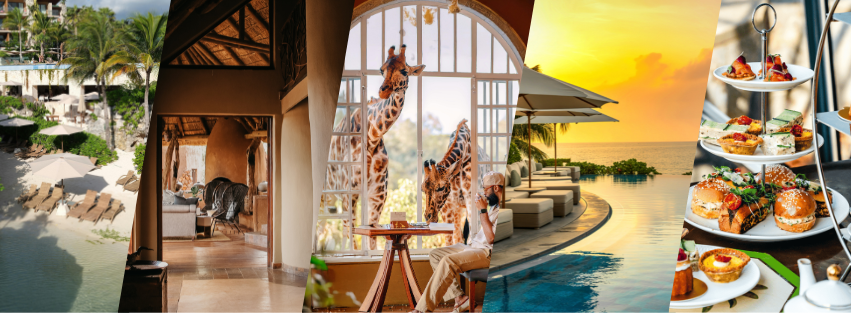
Luxury lodges, private villas, boutique hotels, and international hotel brands across cities, coastlines, winelands, and nature and safari areas

Opulent tented camps, luxury lodges, and beach resorts across safari areas, islands, and coastal towns

Setting

Very varied, from cities like Cape Town to deserts, mountains, safari regions, and coastlines

More focused on open landscapes in safari areas, with beachfront stays in places like Zanzibar

Daily Schedule

Flexible, can adjust based on activities and pace

More structured, with set morning and afternoon activities. Island stays are more flexible.

Mobility

Mostly fixed stays across different locations

Some camps move around to follow wildlife

Overall Feel

Varied options, private, and spread across different environments

More focused, with a strong connection to nature and landscape

How to Travel and Get Around

How Easy is it to Travel Around Southern Africa?

Travel is generally straightforward and is easy to adjust if needed. The region has a well-developed network of roads, airports, and regional flight routes, making it easy to move between countries and key destinations. You can travel using a mix of short flights, road transfers, and even self-driving in certain areas, with good infrastructure allowing you to combine multiple destinations with ease.

How Easy is it to Travel Around East Africa?

Travel across East Africa is a bit more remote, but still seamless when planned well. Getting between safari areas usually involves light aircraft flights, with some longer road transfers depending on the route. Flights connect to key safari hubs, making it easy to move between regions and experiences.

What About Island Travel?

Southern Africa: For Mozambique, you’ll typically fly into Vilanculos for access to the Bazaruto Archipelago, or via Pemba for the more remote Quirimbas Archipelago. From there, short light aircraft flights or boat transfers take you to your island.

East Africa: Destinations like Zanzibar are well connected by short flights from the mainland, with ferries available from Dar es Salaam. More remote islands like Pemba Island are usually reached by light aircraft, often via Zanzibar or Dar es Salaam.

Travel Preferences

Southern Africa: Travelers looking for variety, flexibility, and a journey that blends different experiences beyond just safaris.

East Africa: Travelers who want a more immersive and thrilling classic safari-led journey, with a tropical island escape thereafter.

Which Should You Choose?

Southern and East Africa are not competing experiences; they are complementary ones.

One offers variety and layered experiences while the other delivers scale, movement, and some of the most recognizable wildlife scenes on Earth.

The real decision comes down to how you would like your story in Africa to unfold.

Related Topics:

Top 10 Wildlife Spectacles

The Many Faces of Guides

How a GILTEDGE Journey is Created