
The Great Migration is one of nature’s most remarkable journeys, unfolding across the vast plains of East Africa. Every year, more than a million wildebeest, accompanied by hundreds of thousands of zebras and gazelles, follow an ancient migratory path through Tanzania’s Serengeti National Park and Kenya’s Maasai Mara National Reserve.
Seasonal rains cause fresh grass to grow in different parts of the Serengeti and Maasai Mara throughout the year. The migrating herd keeps moving to reach the best grazing areas and reliable water sources. Although rainfall can affect the exact timing, the herd usually follows an instinctive pattern.
Along the way, the herds give birth to thousands of calves, cross open plains, face hungry predators, and brave fast-flowing rivers, creating unforgettable sights for travelers.
Here is how the journey unfolds step by step:
The Herds Gather in Southern Serengeti
When:
December to January
Where:
Southern Serengeti and Ndutu Plains
What to Expect:
Green plains, large herds, and excellent general game viewing
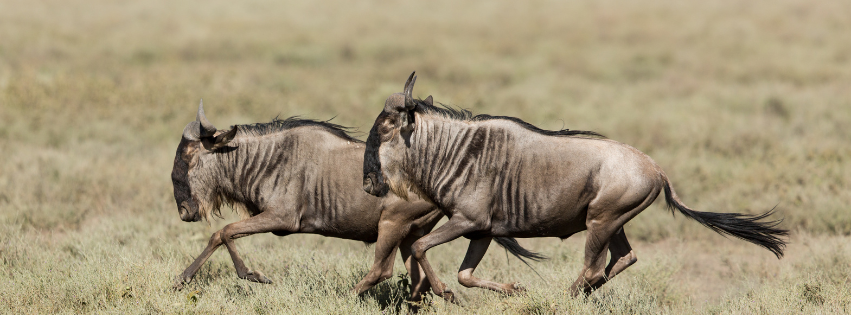
As the short rains refresh the southern Serengeti, the plains around Ndutu turn green. This fresh grazing draws the herds south, creating one of the most beautiful stages of the migration.
This is when the landscape feels full of promise. Wildebeest spread across the open grasslands, zebras graze nearby, and predators keep watch from a distance. The weather is usually warm, with occasional afternoon showers that clear the dust and leave the plains glowing.
For travelers, this is a wonderful time to witness the calm and relaxed side of the migration before the drama begins during the calving season.
Great Migration Weather at a Glance
December to March:
Around 24–29°C / 75–84°F during the day, with warm weather and occasional showers.
March to May:
Around 23–28°C / 73–82°F, with the long rains, lush scenery, and dramatic skies.
June to October:
Around 20–27°C / 68–81°F during the day, with cool mornings and dry, clear conditions.
October to December:
Around 23–29°C / 73–84°F, as the short rains refresh the plains.
Calving Season
When:
Late January to March
Where:
Ndutu and the southern Serengeti plains
What to Expect:
Newborn calves, predator action, and lush scenery
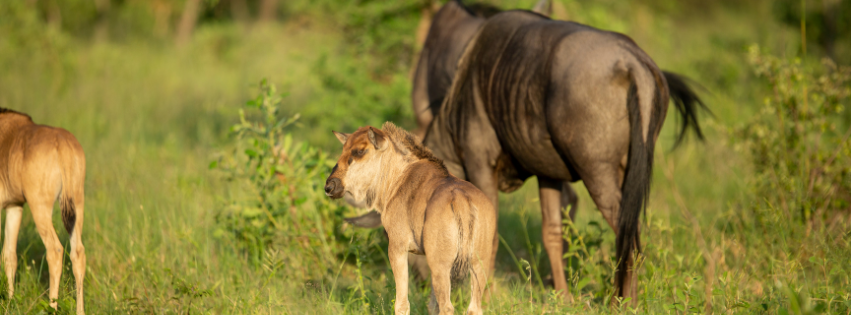
The calving season is one of the most emotional highlights of the Great Migration. Thousands of wildebeest calves are born over a short period, with February often seeing the most births.
The scenes can be incredibly moving. A newborn calf may wobble on thin legs for only a few minutes before it instinctively stands, feeds, and follows its mother. In this wild nursery, survival starts quickly.
Predators know this, too. Lions, cheetahs, hyenas, and leopards are drawn to the southern plains, creating some of the best predator viewing of the year. One moment may be peaceful, with calves resting on the grass. The next may bring a sudden chase across the open plains.
The calving season is best for travelers who want to experience the emerald beauty of the region and the action of the migration.
Migration Moves North
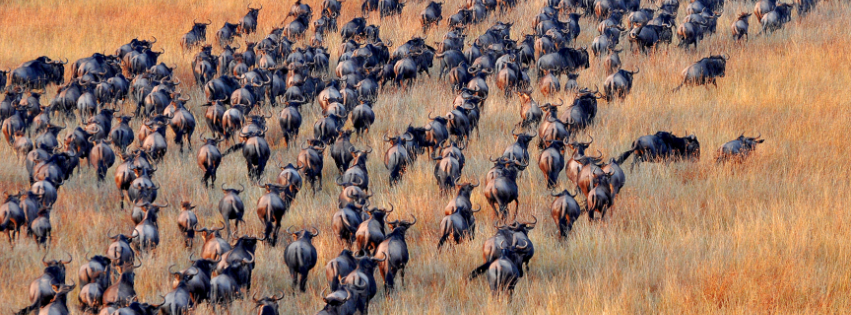
As the southern plains begin to dry, the wildebeest migration starts moving north and west. This is not a neat procession. The herds split, merge, and change direction depending on where the rain has fallen.
April and May often bring long rains, so the scenery is green and atmospheric. The skies can be dramatic, the grass high, and the visitor numbers lower than in peak safari months.
You may see long columns of wildebeest stretching across the plains, calves trotting beside their mothers, and zebras pausing to scan the horizon. This stage of the Great Migration is less about one dramatic moment and more about the powerful sense of movement.
What to Pack for the Great Migration?
Early Mornings:
A warm jacket or fleece for cool game drives.
Midday:
Lightweight, breathable clothing for warmer temperatures.
The Grumeti River Crossings
When:
May to June
Where:
Western Serengeti and Grumeti River
What to Expect:
River crossings, crocodiles, and rutting season
By May and June, many herds reach the western corridor of the Serengeti. Here, the migration begins to tighten as animals move towards fresh grazing and water.
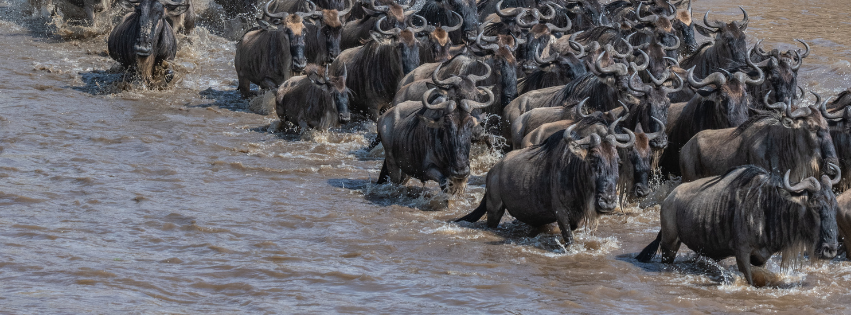
The Grumeti River can become one of the first major obstacles on the route. These crossings are usually smaller than the famous Mara River crossings, but they are still gripping. Wildebeest gather on the riverbanks, hesitate, then suddenly rush forward in a wave of hooves, dust, and splashing water.
This period also overlaps with the rutting season, when male wildebeest compete for females. The plains can feel restless and noisy, with snorting, charging, and constant movement.
Mara River Crossings
When:
July to October
Where:
Northern Serengeti and Kenya’s Masai Mara
What to Expect:
Dramatic river crossings, predator-prey action, and high-impact wildlife viewing
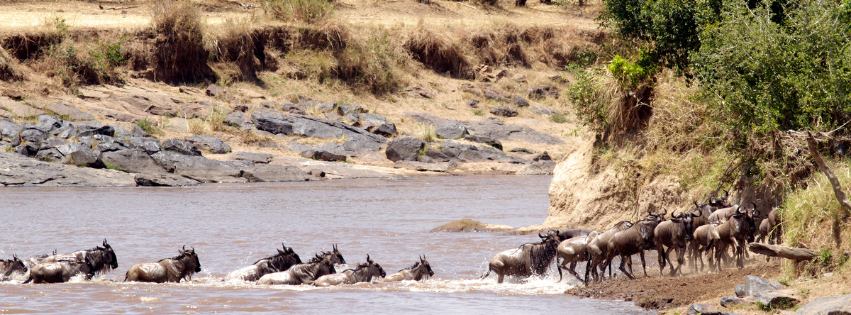
The Mara River crossing is the most dramatic moment of the Great Migration in East Africa. This is the scene many people picture when they think of a Great Migration safari: thousands of wildebeest gathering on steep riverbanks, waiting, watching, and building courage.
A crossing can take hours to begin. The herds may pace along the bank, turn away, return, and wait again. Then, suddenly, one animal jumps. The rest follow. The river explodes with sound and movement. Wildebeest plunge into the water, crocodiles lurk below, and animals scramble up steep banks on the other side. It is raw, intense, and unforgettable.
But the danger does not end once they reach land. Survivors often face predators waiting on the far bank. Lions, hyenas, and sometimes leopards position themselves near crossing points, ready to take advantage of exhausted, injured, or separated animals. After the chaos of the river, the struggle for survival continues immediately on the plains beyond.
Grumeti River vs the Mara River
Both rivers form part of the wildebeest migration route, but the experiences are different. Grumeti River crossings generally take place earlier in the year and often involve smaller groups of wildebeest. The Mara River crossings usually attract larger herds and are known for their steep banks and dramatic scenes.
Arriving in Kenya’s Mara Migration
When:
August to October
Where:
Masai Mara, Kenya
What to Expect:
Big herds, predators, and classic safari scenery
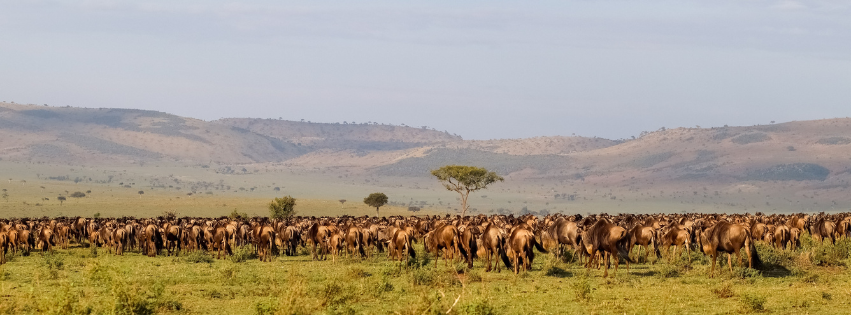
Once the herds reach Kenya, the Masai Mara migration becomes the main event. The grasslands are filled with wildebeest and zebra, while predators follow closely.
This is a superb time for travelers who want exhilarating game viewing. Lions rest in the grass after a hunt; hyenas patrol the herds, and vultures circle overhead. The weather is usually drier, making wildlife easier to spot around water sources and open plains.
Some herds cross the Mara River more than once, moving back and forth between grazing areas. This means the migration is not a single northbound event, but a fluid and unpredictable wildlife journey.
Returning to the Serengeti
When:
October to December
Where:
Eastern and central Serengeti
What to Expect:
The start of a new cycle
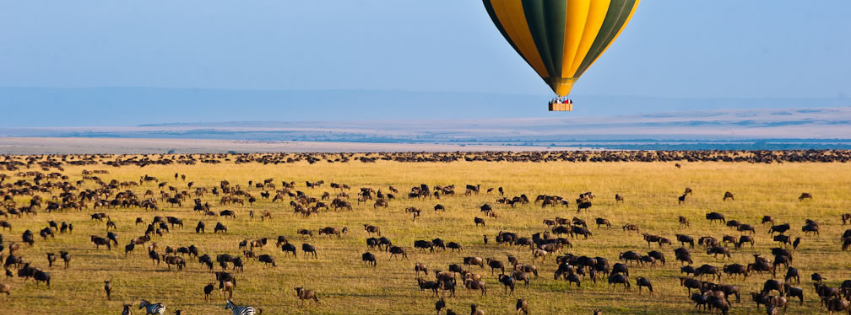
As the short rains return to Tanzania, the herds begin moving south again. They travel through the eastern and central Serengeti, following fresh grazing back towards the southern plains.
By December, many wildebeest are returning to the area where the next calving season will take place. The cycle begins again, just as it has for generations.
The Best Time to Go
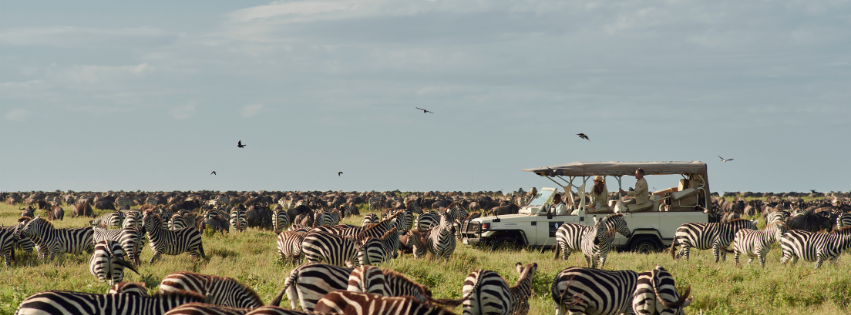
That is what makes the Great Migration so remarkable. It is not a once-off event or a single river crossing. It is a year-round story of birth, danger, survival, and renewal across the Serengeti and Masai Mara.
For travelers planning a Great Migration safari, the best time to visit depends on what they most want to see. Choose calving season for newborn wildlife and predator action, the Grumeti River for early crossings, or the Mara River crossing for the migration’s most dramatic scenes.
However you experience it, the Great Migration in East Africa is a reminder that nature still moves to its own rhythm. The herds follow the rain; the predators follow the herds, and the plains come alive with one of Africa’s greatest journeys.