
It’s easy to see why an African safari tops many bucket lists. There is a timeless wonder to watching lions stalk through golden grass, elephants crossing a river at sunset, and rhinos grazing beneath scattered acacia trees in the lush savanna. You’ll remember these moments for years.
Africa’s wilderness feels like a world unchanged by time, but keeping these wild spaces wild requires immense effort. Your journey to the continent can be a vital part of that equation. By choosing safari lodges that fund conservation and support the communities living alongside the wildlife, your stay helps protect the very landscapes you fell in love with. Here’s how your travel choices can make a difference.
Funding the Guardians of the Wild
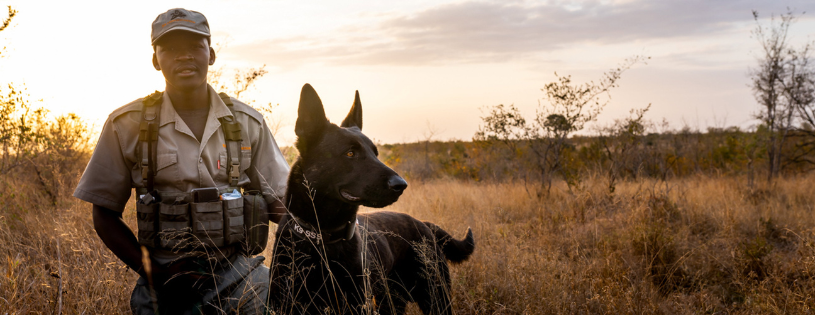
One thing to look for when choosing your safari lodge is how it contributes to wildlife conservation. Some lodges support conservation programmes or collect a conservation levy as part of your stay. National Park entrance fees can also help fund the care and protection of the places you visit.
How these funds are used varies, but they may help support:
Ranger teams: Help cover salaries, training, and equipment for the people who patrol protected areas and respond to threats.
Vehicles & equipment: Wildlife protection teams need fuel, reliable vehicles, radios, and tracking equipment to follow animal movements, reach remote areas, and stay in contact.
Animal Care: Wildlife vets use the funds to treat sick, injured, or orphaned animals, from snared elephants to abandoned cubs.
Without tourism funds, many national parks would struggle to keep operating. In places like the Serengeti in Tanzania and Kruger National Park in South Africa, your visit also helps put more “eyes on the ground.” Poachers tend to avoid areas where safari vehicles regularly move through the bush because the more people around, the harder it is to stay hidden. Every game drive you take adds a little extra protection.
Creating Jobs and Building Skills
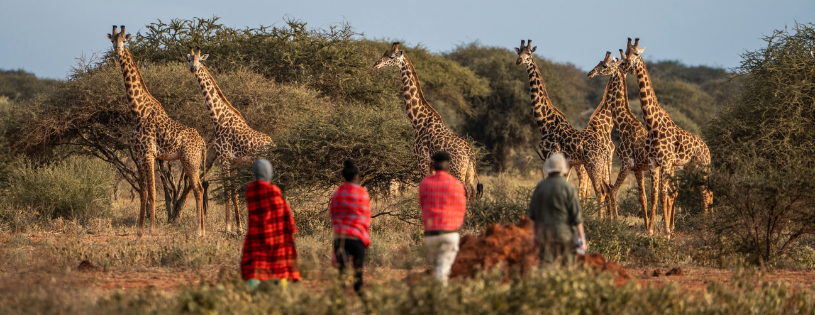
The safari industry employs many indigenous communities across Africa, and that matters a lot. Many people who live near parks and reserves have very few career options. Their villages are often hours from the nearest town, so there are fewer businesses hiring.
Training centers can be just as far away, which makes it hard to learn new skills. The work that is available, like farming and herding, is unpredictable. One dry season, or one herd of elephants trampling a crop, can wipe out a family’s income. Safari tourism offers a better path by bringing real, year-round jobs to the places where people already live:
Lodge Staff: From chefs and housekeepers to managers and maintenance crews, safari camps hire locally, ensuring wages stay in the community.
Guides and Trackers: Many locals build on their experience and deep knowledge of the bush to become safari guides and wildlife trackers, earning a living by sharing their skills with visitors.
Local Suppliers: Lodges need fresh food, furniture, and uniforms. They often source these from nearby villages, supporting local farmers and small business owners.
This employment brings stability. When a parent has a reliable job at a safari camp, they can afford school fees, healthcare, and better food for their family. This economic security builds a strong foundation for the entire community and equips them with new skills in the process.
Building Schools, Clinics, & Clean Water

Many responsible safari operators take their commitment to sustainability a step further. They set aside a portion of their profits for community development projects.
For example, the African Bush Camps Foundation has supported Maunga village, near Thorntree River Lodge in Zambia. Its work has included building and equipping a clinic, installing a borehole and solar power, improving the local primary school’s facilities, and providing learning materials.
These are practical examples of how a safari company’s community work can reach beyond its lodge.
Keeping Culture and Traditions Alive
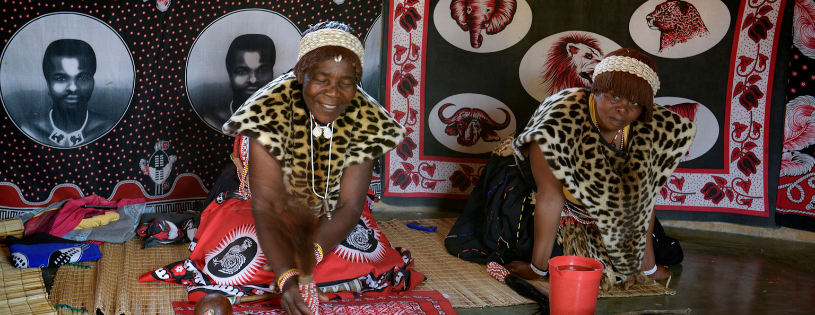
Unchecked tourism can sometimes harm local cultures, but responsible safari travel can help preserve and celebrate them. Many lodges partner with local artisans, selling handmade jewelry, wood carvings, and textiles in their gift shops. This allows craftsmen and women to earn a living using traditional skills passed down through generations.
Cultural visits, when done right, are respectful and educational. During visits, you’ll learn how people have lived in harmony with nature for centuries. This exchange builds mutual respect and ensures that local customs are valued.
How to Choose a Responsible Safari

Not every tour operator is the same. To make sure your trip helps wildlife and local communities, book with operators that genuinely care. These tips will help you spot “greenwashing” (when a company claims to be eco-friendly but isn’t) and find the real thing:
- Find Out Where the Money Goes: Do research on the lodge or ask your travel agent, or the lodge itself, where the tourism fees go. Do they contribute to any conservation and social causes, do they employ locally, and do they operate sustainably?
- Look for Certifications: Check whether the lodge is recognized by a sustainable tourism program, or whether it posts clear conservation policies on its website.
- Choose Green Practices: Pick lodges that use solar power, skip single-use plastic bottles, and recycle their waste.
- Support Local Careers: Choose companies that hire and train local people for senior roles, not just entry-level jobs.
- Buy Local: Buy souvenirs directly from artisans or community markets instead of mass-produced items at the airport.
- Travel with a Purpose: If you’re looking to make additional contributions, visit our Travel with a Purpose page for more information on various community and conservation projects that give back.
A little research before you book goes a long way. The more questions travelers ask, the more operators have a reason to do the right thing.
Your Journey is Part of the Solution
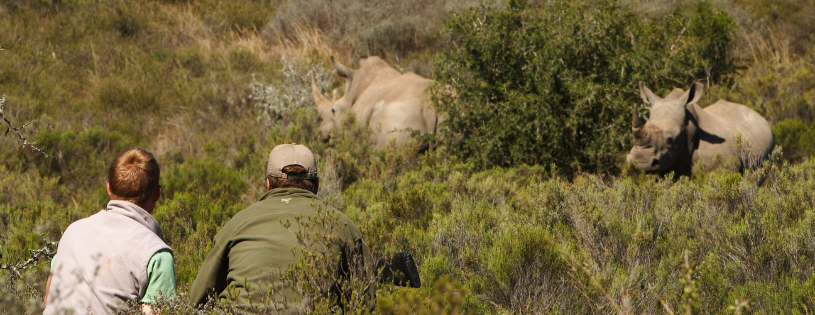
The memories you bring home are only part of what makes a safari special. By choosing lodges that support wildlife conservation and local communities, your visit can contribute to their work. These thoughtful travel choices can help protect the places you’ve come to love for generations to come.
Related Topics:
9 Top Eco-Friendly Destinations