
Dawn breaks over the Okavango Delta as you step into a solar-powered bush camp, greeted by birdsong and the scent of the wild. The lights flicker to life, not with the roar of a generator, but with the quiet power of sunlight captured by hidden panels. Over breakfast, your guide explains how guest fees help fund the local village school and pay for anti-poaching patrols. This is the promise of a sustainable safari.
More and more travelers are choosing lodges and tours that actively protect the wilderness they came to see – whether in South Africa’s mountain reserves or Namibia’s desert plains. These environmentally conscious safaris deliver thrilling African adventures with measurable benefits for the wildlife, surrounding communities, and the environment.
Environmentally Friendly Camps
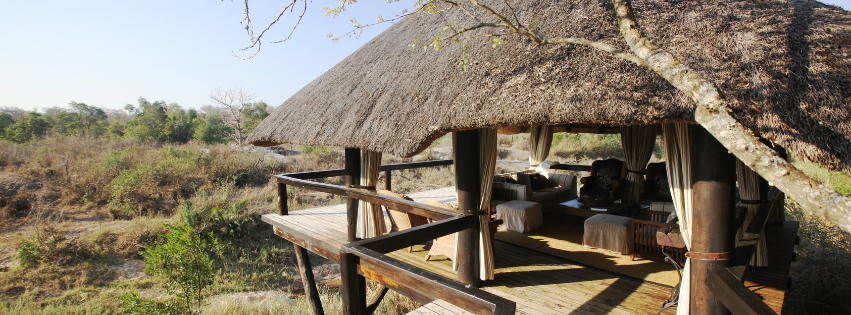
Many safari camps in Southern Africa are cutting the carbon out of travel. Instead of noisy diesel generators, more lodges are using solar power and other renewable energy to run the lights, kitchen, and water pumps. At these camps, you might walk past a quiet field of solar panels or a neat biogas digester (which turns kitchen waste into cooking gas). Even the hot water is often solar-heated.
Water conservation is big too: many camps catch rainwater and recycle greywater. For instance, some lodges treat shower runoff in mini treatment plants, then use it to water gardens and wildlife at the camp dam. Toiletries and cleaning products are biodegradable, so even soap won’t harm the ecosystem. Inside the tented rooms and common areas, you’ll notice simple, environmentally conscious touches. Furniture is often made from sustainably sourced wood and sometimes built from recycled materials. Bedside lamps may be energy-efficient LEDs or solar lanterns.
Camp menus focus on fresh produce taken straight from the on-site garden. These green practices don’t have to feel spartan: guests still sleep in comfort under canvas, often under a soaring Milky Way, but with a warm shower that’s been off-grid heated and electricity that hums only from the sun.
Communities at the Heart of Safaris
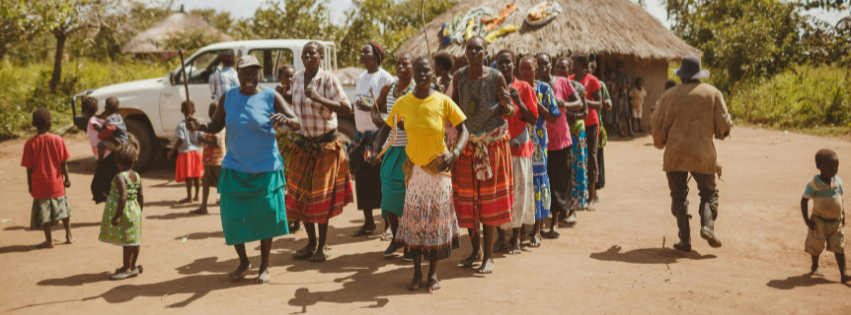
Many of Southern Africa’s sustainable safari successes come from community partnerships. In Namibia, Botswana, and beyond, the locals often own or co-manage conservancies and parks. These schemes give villagers a stake in keeping wildlife alive. When tourists visit, a portion of park or concession fees flows back into the community.
Many safari guides are themselves local villagers who speak the indigenous languages; your guide might be San (Bushman) or Maasai, sharing stories passed down for generations.
On a game drive, you might pass a rural village where, thanks to tourism levies, the primary school has solar panels on its roof and a computer lab. This connection is no accident. Across the Kavango-Zambezi region, governments and NGOs intentionally link tourism to community benefits.
Wildlife Conservation on Safari
A sustainable safari is one that not only enjoys nature but actively protects it. Park fees and concession charges paid by visitors provide steady funding for conservation work. In practice, this means lots of rangers on patrol, armed with radios and, on occasion, drones, looking for poachers. In Zimbabwe’s Hwange National Park, for example, donations and tourism income recently helped rebuild a wildlife center at the main gate – both to improve visitors’ experience and to funnel more revenue into anti-poaching teams.
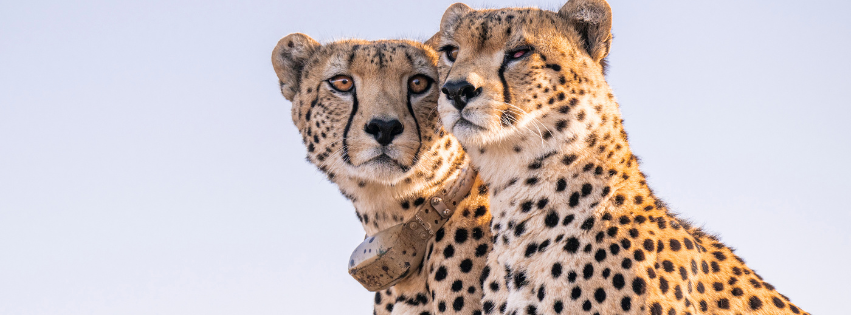
Likewise, in Botswana and Namibia, tourism dollars support dedicated sanctuaries: fenced reserves or special zones where endangered species like rhinos and wild dogs are closely guarded. Safari companies also increasingly integrate conservation activities. Guests may have the chance to join researchers on a monitoring exercise – perhaps tracking a collared cheetah or helping to maintain a predator-proof livestock enclosure (a “boma”) that protects villagers’ cattle from hungry predators.
Even casual sightings become poignant: a guide might point out a rhino that was airlifted back from the brink of extinction or tell how wild dog numbers fell and then recovered thanks to habitat restoration.
Lowering Our Footprint
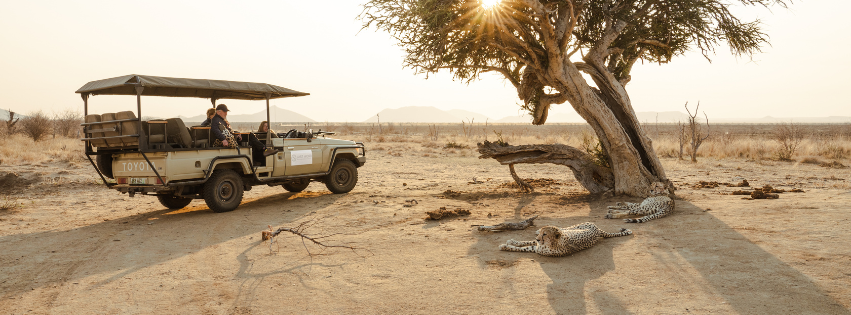
Travel itself has a footprint, so sustainable safaris work hard to make it as light as possible. One striking innovation is the introduction of electric safari vehicles. These are often converted Toyota Land Cruisers with batteries charged by solar panels.
On safari, they glide nearly silently through the bush, so you hear the birds and the lions, not a diesel engine. Natural Habitat Adventures reports that these electric game drives are “near-silent” and cut carbon emissions without sacrificing the big adventure.
Back at camp, plastic pollution is actively tackled. Most eco-lodges have banned single-use plastic bottles and bags. Instead of buying bottled water, guests use reusable steel bottles or a refill station; some lodges have installed in-house water-bottling systems that cut plastic waste by tens of thousands of bottles each year. Bars serve cocktails with paper straws or even hibiscus straws made by local artisans. Many camps also recycle or compost all organic waste – food scraps become garden fertilizer or biogas fuel, not landfill fodder. In Zambia’s Tongabezi camps, for example, they collect and compost kitchen scraps to enrich the vegetable garden, feeding both people and wildlife.
In the end, a sustainable safari is all about respect for the earth, for the wildlife, and for the people who call the bush home. It means that every tent erected, meal served, and kilometer driven has been shaped to minimize our footprint on the landscape. With each safari, local communities benefit and wildlife thrives, fulfilling the vision that Africa’s wild heart can beat strongly and sustainably. And as you gaze into the star-studded night, listening to hyenas echo in the distance, you’ll know you’re part of that story, not just a visitor, but a responsible guest of the wild.