
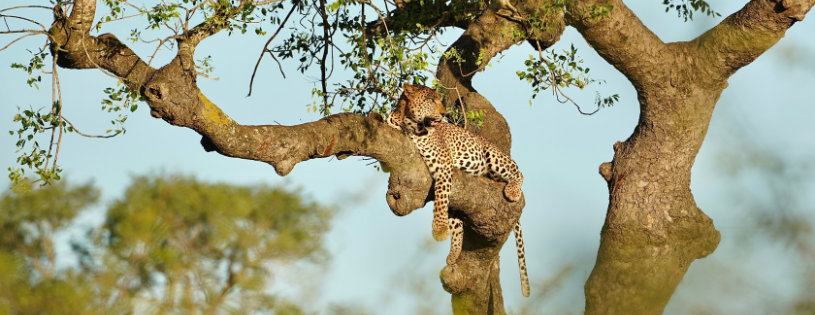
The vehicle stops. A leopard is resting in the fork of a tree, one paw hanging over the branch. At first, everyone reaches for a camera, but your guide quietly suggests waiting.
The sun is still hidden behind the trees, the leopard’s face is in shadow, and a tangle of branches fills the background. Ten minutes later, the light shifts. The leopard lifts its head, its eyes catch the morning sun, and the photograph suddenly has life.
That is the difference between simply seeing an animal and creating a memorable image.
A photographic safari in Africa is not about racing from one sighting to the next. It is about slowing down, reading the scene, and being ready when light, behavior, and timing come together.
Here is how to make the most of the experience.
Choose a Safari That Gives You Time
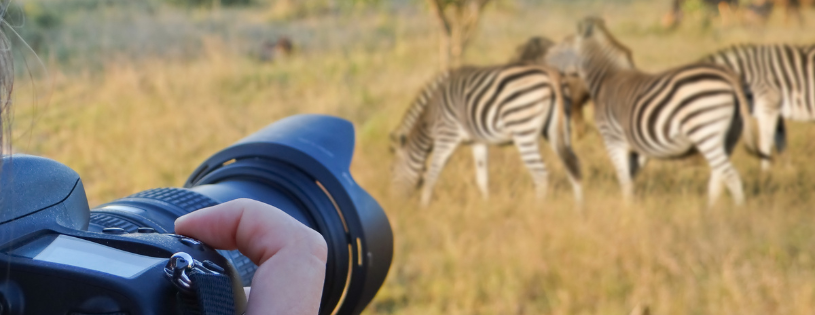
Great wildlife photography rarely happens on command.
A lion may sleep for hours before standing. A herd of elephants may approach a waterhole slowly, stopping to feed along the way. A bird may sit completely still before suddenly taking flight.
You need time to observe these moments.
Photography-focused safaris generally allow longer sightings, fewer guests in the vehicle, and more flexibility around where and how long you stop. Private vehicles can be especially valuable because the day does not need to follow the interests of a larger group.
Agent Tip: Before booking, ask how many guests will share the vehicle, whether everyone is guaranteed a clear side view, and whether the guide has experience working with photographers.
Vehicles Made for Photographers
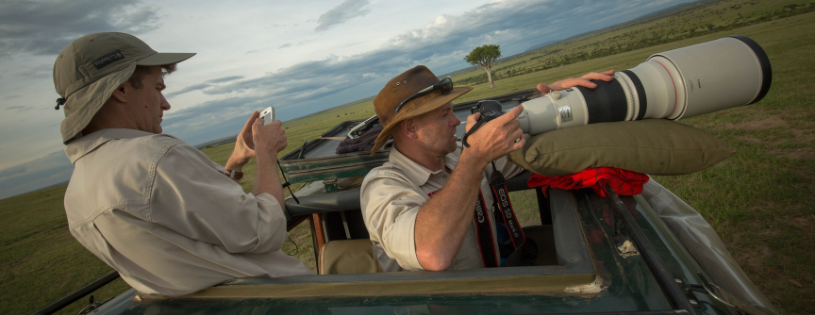
Specialist photographic vehicles often carry fewer people and may include swivel seats, open sides, or mounted camera supports.
These features allow photographers to move more freely, steady heavier lenses, and keep their equipment nearby without blocking another guest’s view.
Tips:
- Keep your equipment organized.
- Avoid placing loose lenses and cameras where they may roll or fall when the vehicle starts moving.
- When changing sides, do so calmly. Sudden movement can disturb wildlife and block another photographer’s view.
Let the Light Set Your Schedule
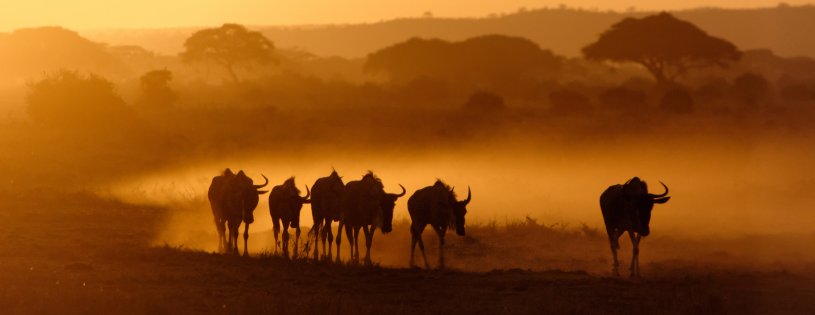
Do not underestimate the value of an early start.
The first and final hours of daylight often bring softer light, warmer color, and longer shadows. These conditions can reveal the texture of an elephant’s skin, add a glowing edge to a lion’s mane or turn a line of giraffes into silhouettes against the evening sky.
Wildlife is also often more active during the cooler hours of morning and late afternoon, giving you a better chance of capturing movement and interaction.
Picture setting out before sunrise, wrapped in a blanket while the cool air brushes against your face. As the sky begins to brighten, a herd of zebra moves through a layer of mist. Their stripes catch the first light, and for a few moments, the entire scene appears almost painted.
Bright midday conditions can be more difficult as the overhead sun creates strong shadows. However, there are still opportunities. Photographers can look for reflections at waterholes, animals resting in open shade, or smaller details such as feathers, paw prints, horns, and patterned hides.
Cloud cover can be equally useful. Soft, even light is often flattering for animal portraits, while dark storm clouds can add atmosphere and drama to wider photographs.
Tip: Use a Fast Shutter Speed – Wildlife can move without warning. A faster shutter speed helps freeze movement, whether you are photographing a bird taking flight, a running cheetah, or playful lion cubs.
Use Your Guide’s Knowledge
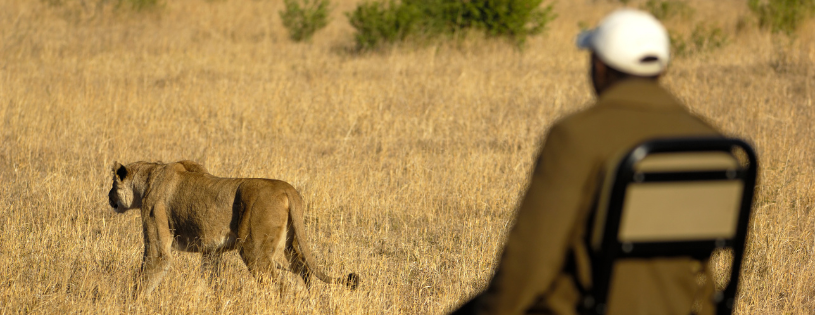
A strong guide is one of the most valuable parts of the safari experience.
Guides understand animal behavior. They may notice a bird crouching before take-off, a leopard staring towards the base of a tree, or a lioness fixing her attention on distant prey.
That warning gives you time to adjust your settings, steady your camera, and frame the scene before the action begins.
Photographic guides also consider the vehicle’s position. A small movement forwards or backwards can remove an awkward branch, place the sun behind the animal, or give you a cleaner background.
Do You Need a Professional Camera for a Photography Safari?
No. Many guests use entry-level cameras or smartphones. Modern smartphones use multiple lenses and computational photography that automatically improve exposure, color, and detail. Camera rentals are also available at some lodges.
Watch for Behavior, Not Just Species
Do not photograph only the animal. Photograph what it is doing.
An elephant standing alone is a sighting. A group of elephants closing around a calf is a story.
A portrait of a wild dog is worthwhile. A photograph of the pack greeting one another, tails raised and bodies twisting with excitement, is far more expressive.
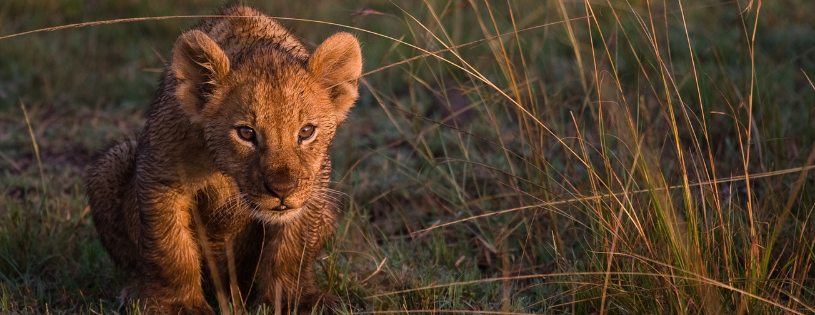
Watch for clues. A bird leaning forward may be preparing to fly. A lion cub lowering itself into the grass may be about to pounce. An elephant lifting its trunk may be investigating a scent carried by the wind.
Keep watching even after you have taken the obvious photograph. Behavior often develops slowly and then happens quickly.
Use continuous shooting for fast action, but do not simply hold down the shutter and hope. Watch the animal, anticipate the movement, and start shooting just before the moment unfolds.
How To Protect Your Camera from Dust?
Keep your camera bag closed, avoid changing lenses unnecessarily, and carry a blower or lens cloth. Dust covers can also help protect equipment on dry safari roads.
Do Not Fill Every Frame
Pull back occasionally.
A close-up portrait can show incredible detail, but not every image needs to be tight. Show the leopard resting beneath an enormous sky. Include the dust surrounding a buffalo herd. Photograph a lone elephant crossing an open floodplain rather than cropping out the landscape.
Wide images give animals context. They show scale, habitat, and atmosphere, helping the viewer understand not only what you saw, but where you were.
Tip: Carry a wider lens alongside a telephoto lens where possible. A telephoto zoom lens is useful for photographing wildlife from a respectful distance, while a wider lens helps capture landscapes, large herds, and animals within their natural surroundings. Using two camera bodies can also reduce the need to change lenses in dusty conditions.
Know Your Camera Before You Travel
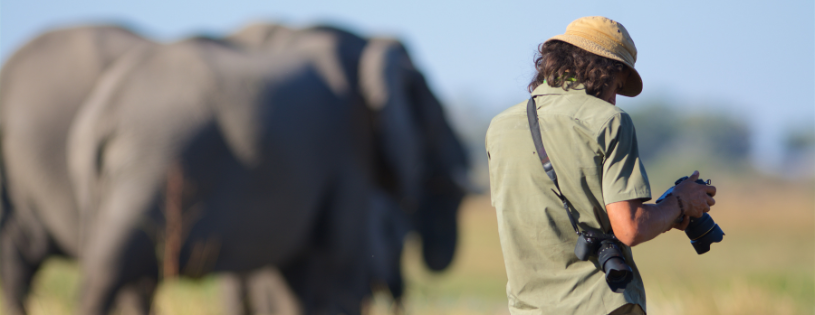
Practice before departure.
Your safari is not the place to learn where the focus settings are hidden. Photograph birds in your garden, dogs running in a park, or cars moving along a road. Learn how to adjust shutter speed, ISO, exposure compensation, and focus mode without searching through menus.
You do not need to shoot in full manual mode to take good photographs. Automatic or semi-automatic settings can give beginners more time to watch behavior and concentrate on composition.
Do Not Ignore Your Phone
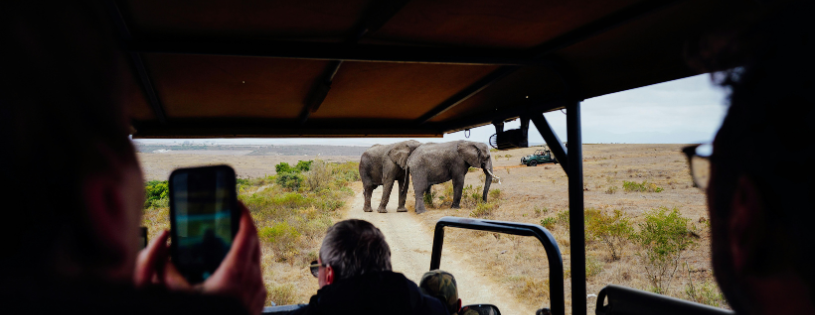
A smartphone may struggle to match a long lens for distant wildlife, but it is useful for close-up shots, landscapes, sunsets, silhouettes, camp life, and videos.
Many phones also perform well in changing light and can produce strong wide-angle images without requiring complicated settings.
Can Beginners Join a Photography Safari?
Yes! Photography safaris are suitable for beginners, hobbyists, and experienced photographers. Guides and photographic hosts can often assist with camera settings, framing, timing, and animal behavior.
Put the Animal First
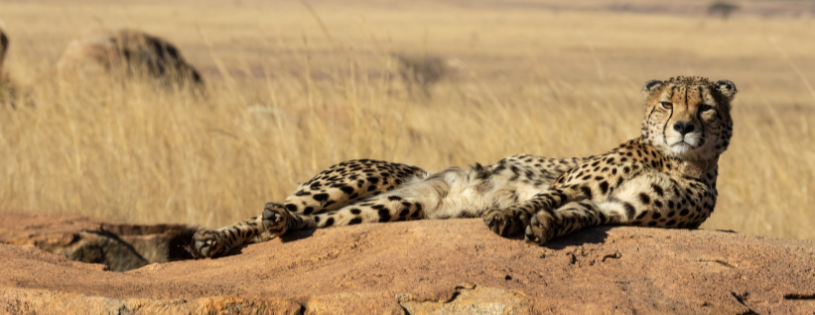
No image is worth stressing wildlife.
Remain quiet, follow your guide’s instructions and never ask to move dangerously close. Avoid calling, clapping, or making noises to force an animal to look towards the camera.
A telephoto lens allows you to photograph from a respectful distance and reduces the need to disturb the subject.
Watch for signs that an animal is uncomfortable. If it repeatedly looks towards the vehicle or moves away, it may need more space.
The guiding principle is simple: the animal’s comfort matters more than the photograph.
Photographic Hide
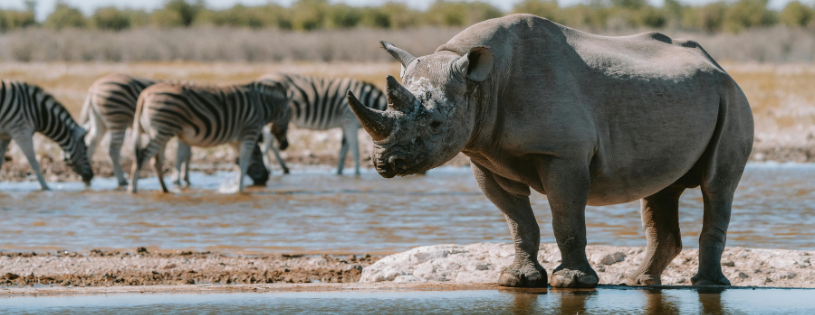
A photographic hide is a concealed viewing shelter that allows you to observe and photograph wildlife without the animals being easily aware of your presence.
Usually positioned beside a waterhole, riverbank, or another area regularly visited by wildlife, it lets you remain quiet and still while the animals approach naturally.
Some hides are sunken into the ground, placing your camera close to the animals’ eye level and creating striking images with clean, softly blurred backgrounds. Inside, photographers sit behind open viewing slots and wait for the wildlife to come to them.
Tip: Prepare Before the Action
Set your camera before the moment unfolds. Check your shutter speed, focus mode, and exposure while the animal is still resting, so you are ready when it moves.
Photograph from the River
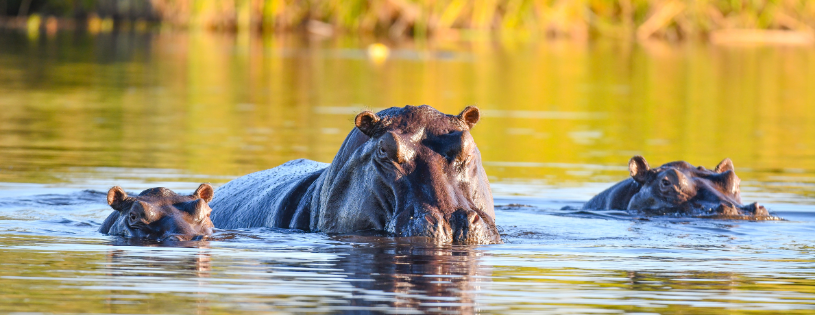
A river safari offers a completely different angle on Africa’s wildlife. From a boat, you can photograph hippos, crocodiles, water birds and elephants close to the water’s surface, often without tall grass or thick branches blocking the scene.
The boat can also shift position gently, helping you find a clearer background or follow an animal moving along the bank.
Use a reasonably fast shutter speed to account for the movement of both the subject and the boat and keep your equipment secure and protected from spray.
Lower the Camera Occasionally
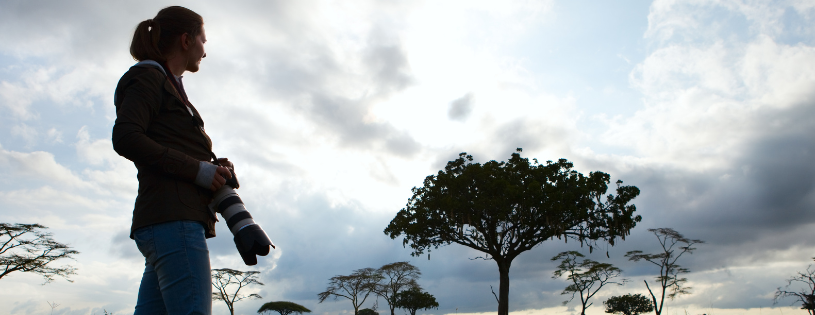
Put the camera down.
The best advice may be the easiest to forget.
Listen to the call of a fish eagle. Watch the grass turn gold as the sun drops. Notice the silence after a herd of elephants disappears into the trees.
You may return home with thousands of images, but a photography safari offers something more valuable than a full memory card.
It teaches you to wait, observe, and recognize the story before pressing the shutter.
Related Topics:
Tips for Photographers Visiting Africa During the Green Season
Southern Africa vs East Africa: Which African Safari & Travel Experience is Right for You?