
River cruising is arguably the most stress-free way to travel. You unpack your bags just once, and your hotel moves with you from destination to destination.
It also lets you visit several cities across different countries without any trains, taxis, or airport queues. On board, you can look forward to nightly entertainment, delicious food and relaxed sundecks. When the boat docks, you step straight off for guided walking city tours, wine tastings or a wander on your own.
You can cruise rivers all over the world, but Europe stands out. Its major cities, historic castles and ancient wine valleys were built right on the water, so you get a front-row seat to history.
Here are the top European rivers to cruise, from first-timer favourites to quieter picks.
The Danube: Cities and History
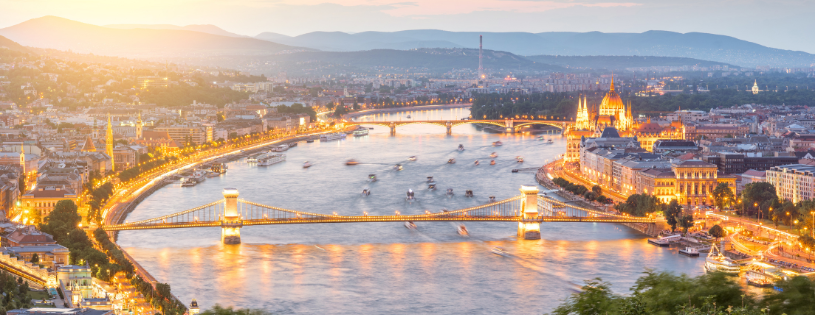
The Danube is often the top choice for a reason. It flows through ten countries, but the most popular stretch connects Germany, Austria, Slovakia, and Hungary.
What You’ll See: You will visit iconic capitals like Vienna, Bratislava, and Budapest. The stretch through the Wachau Valley in Austria is famous for its abbeys and its terraced vineyards producing signature white wines like Grüner Veltliner and Riesling.
Why Choose It: It offers a mix of big-city energy and quiet village scenery. It is ideal if you want to tick off major landmarks in one go.
The Rhine: Castles and Cathedrals
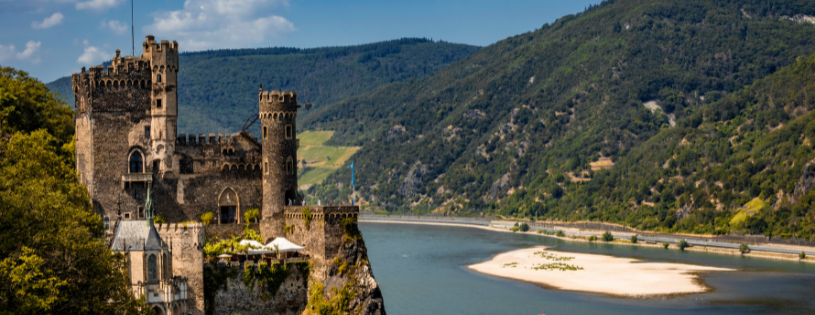
The Rhine runs primarily through Germany, France, and the Netherlands. The section known as the “Romantic Rhine” (between Koblenz and Rüdesheim) is a highlight.
What You’ll See: Steep vineyard slopes, medieval towns, and more castles per kilometre than almost anywhere else. It often starts or ends in Amsterdam, which is a major bonus for easy flight connections.
Why Choose It: It is incredibly scenic and steeped in medieval history.
The Moselle: Valleys and White Wine
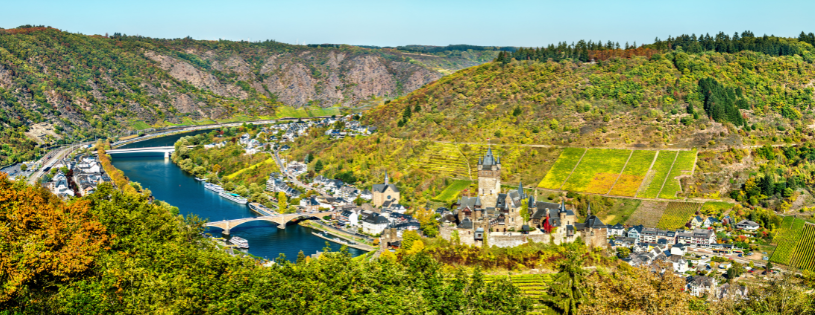
The Moselle River winds through France, Luxembourg, and Germany before joining the Rhine at the historic city of Koblenz.
What You’ll See: You will sail through incredibly steep, twisting river loops lined with vertical vineyards. Highlights include fairytale towns like Cochem, with its hilltop castle, and Trier, which features some of the oldest Roman ruins in northern Europe.
Why Choose It: It is widely considered one of the most beautiful and peaceful rivers in Europe. It is famous for its crisp Riesling wines and offers a much slower, more intimate pace than the busy main section of the Rhine.
Traveller Tip:
Book Early: The best cabins (especially those with balconies) sell out fast.
The Douro: Sun and Wine
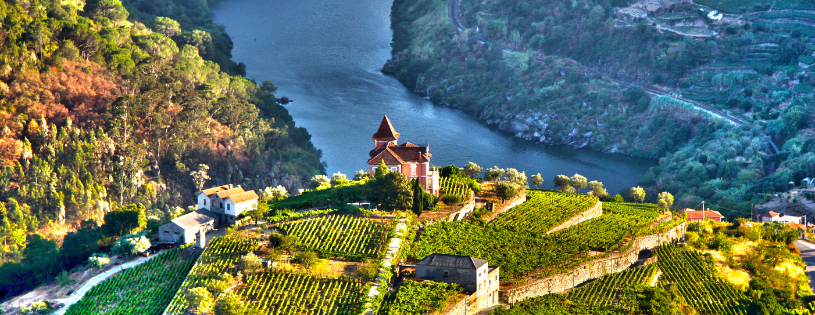
Located in Portugal, the Douro River is distinct from the central European options.
What You’ll See: The river cuts through a deep valley lined with terraced vineyards. You will visit Porto and small quintas (wine estates).
Why Choose It: The weather is generally warmer and sunnier. The sailing happens only during the day (navigation is tricky at night), so you miss nothing. It is perfect for wine lovers.
The Seine: Paris and Normandy
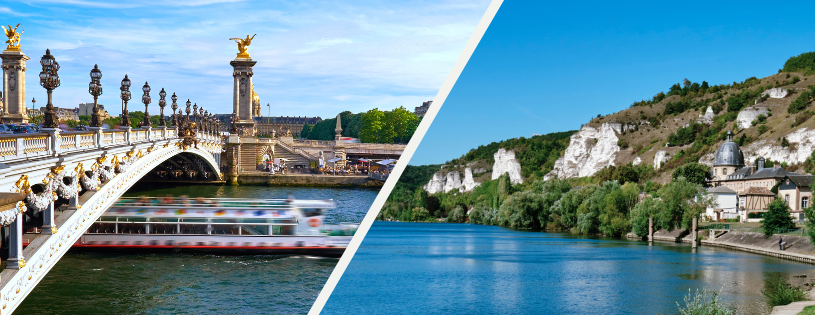
This route focuses entirely on Northern France.
What You’ll See: You start and finish in Paris, often docking near the Eiffel Tower. Stops include Giverny (Monet’s gardens), the medieval city of Rouen with its famous Gothic cathedral, and the historic D-Day beaches of Normandy.
Why Choose It: It combines the romance of Paris with deeply moving World War II history. It is also a fantastic option for art lovers who want to see the exact landscapes that inspired the Impressionist movement.
Traveller Tip:
Check Visa Requirements: Ensure your Schengen visa allows for multiple entries if your cruise passes through non-Schengen countries (though most key river cruise routes stay within the zone).
The Rhône and Saône: Food and Art
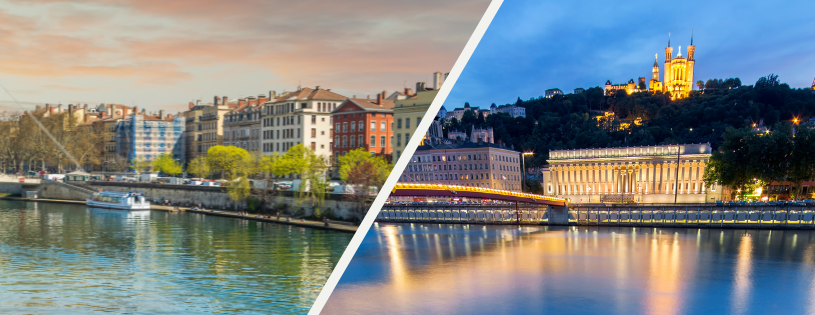
Flowing through the south of France, this journey takes you through the regions of Burgundy and Provence.
What You’ll See: You will stop in Lyon, which is known as the culinary capital of France, as well as historic Avignon and Arles, the town that inspired Vincent van Gogh.
Why Choose It: This is the ultimate route for food lovers and art enthusiasts. You will cruise past lavender fields and olive groves while enjoying some of the finest food and wine in the world.
When is the Best Time to Go?
Spring (April – May):
The weather is cooler, and the crowds are thinner. In the Netherlands, this is tulip season, which is spectacular.
Summer (June – August):
This is peak season. The weather is hot, and the days are long, giving you plenty of light for sightseeing. However, cities will be busier.
Autumn (September – October):
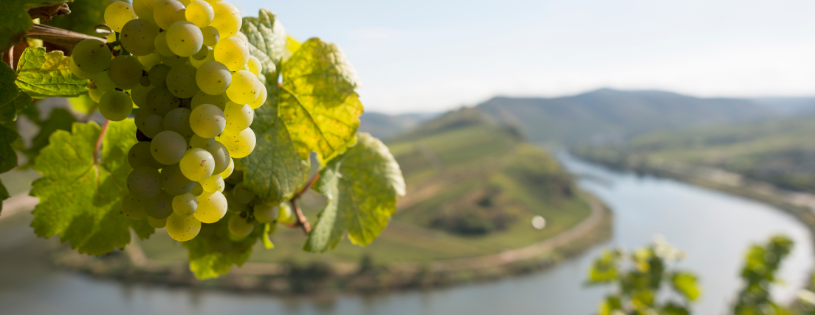
A favourite for many experienced cruisers. The temperatures drop, and the vineyards on the Rhine and Douro turn gold and orange. It is also wine harvest season.
Winter (Late November – December):
The Christmas Market cruises are magical. Towns along the Rhine and Danube set up festive stalls selling gingerbread, warm drinks, and handmade gifts. It is cold, but the atmosphere is unmatched.
Planning Tips:
Pack Smart: Cabins are compact. Bring comfortable walking shoes for the cobblestone streets; you will walk a lot more than you expect.
Which River Is Right for You?
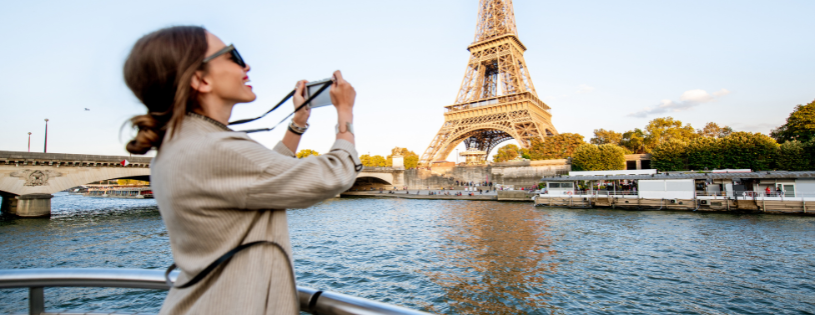
River cruising is a great way to see the heart of Europe without the hassle. You unpack once, wake up in a new place most mornings, and step off the ship right in the middle of town.
There’s a route for every kind of traveller. First-timers can’t go wrong with the Rhine or Danube, which pack in castles, big cities and easy sightseeing. Wine lovers can sip port along the Douro in Portugal, and foodies can eat their way through Lyon and Avignon on the Rhône.
If you’d rather keep things quiet, the Moselle is made for slow days, and the Seine and Dutch waterways are ideal for history and spring gardens.
Pick the river that matches your interests, choose your travel dates, and start planning. Your front-row seat is waiting.
Related Topics:
Best Family-friendly European Cities for Children