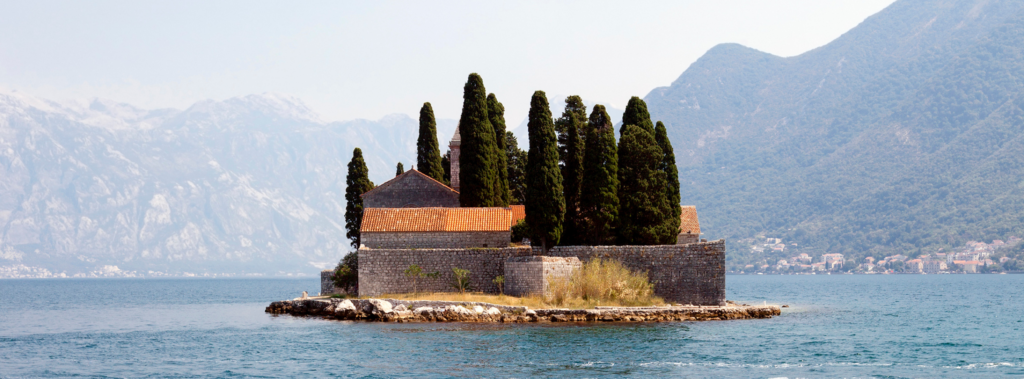
On the coast of Europe’s Balkan Peninsula (bordering Albania, Serbia, Croatia, and Bosnia and Herzegovina) lies a destination that has quietly become a tourism hotspot. Montenegro stands out for its remarkable variety, where natural wonders (mountains, karsts, and forests) meet medieval old towns overlooking the scenic Adriatic Sea.
Did You Know: Montenegro is a young country, gaining independence from Serbia in 2006.
Our Incentive Programme Manager, Pam Smith, travelled to Montenegro on a FAM Trip to explore the destination and its potential as an incentive travel destination.
Getting to Montenegro
Flights:
Johannesburg to Istanbul (11 hours) – Turkish Airlines
Istanbul to Podgorica (1 hour 50 minutes) – Turkish Airlines
Adventures in Each Montenegro City/Town
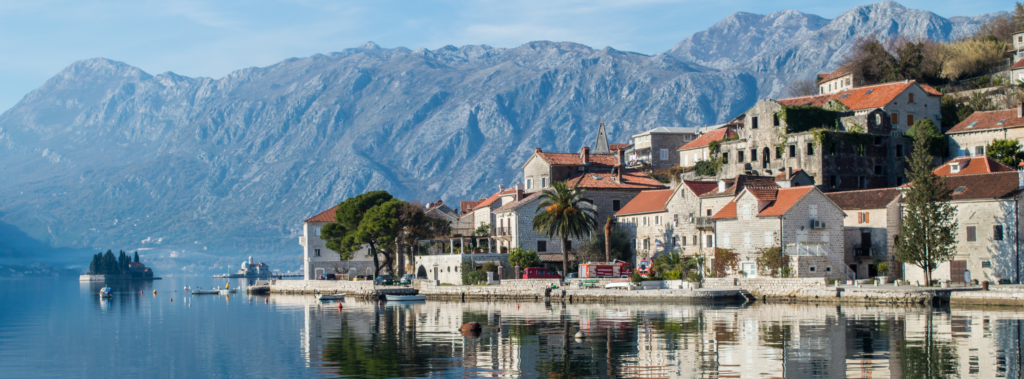
Podgorica
Just outside Podgorica, we visited Lipa Cave, one of the largest cave monuments in Montenegro. This underground labyrinth took us through a network of passages and halls, revealing striking natural rock formations that have shaped over time. Pam described this experience as “well worth the visit,” along with some interesting history of the cave.
Budva
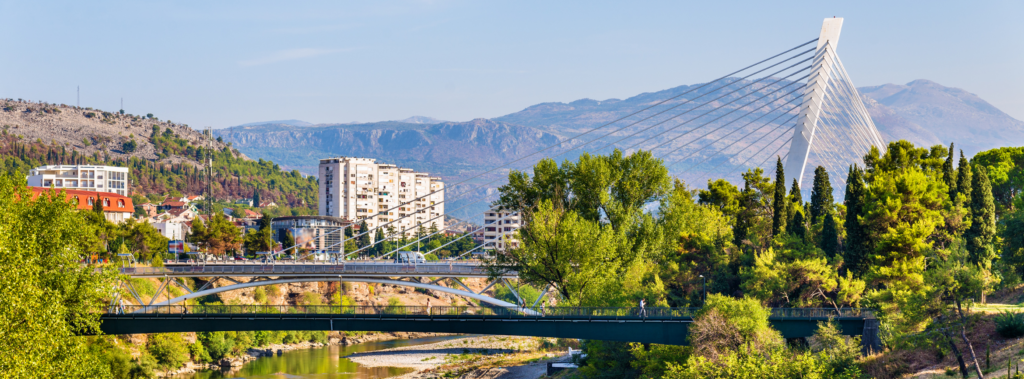
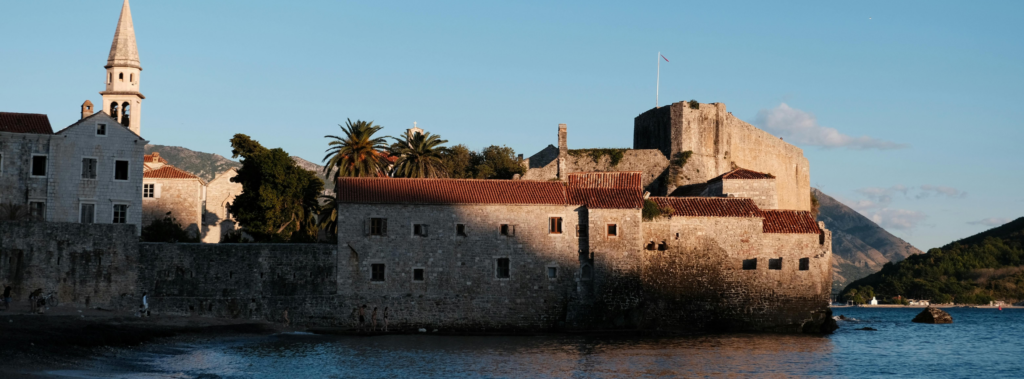
Budva is a small town on the Adriatic coast famous for its mix of old-world charm and modern flair. Here, we explored its Old Town, which felt like a step back in time to a world of cobblestone alleys, ancient relics, and Venetian structures. What was impressive was how well-preserved this medieval city still looks today. Budva’s Old Town is also known as one of the Adriatic’s oldest settlements, dating back more than 2,500 years. Pam was impressed with its unique history and authenticity, saying that Old Town offers incentive groups something unusual and rare.
Side Note: During our exploration of Old Town, we also visited the Budva Citadel (Citadela), a stronghold and fortress that was built to protect the city from naval attacks. It has the best vantage point of the town and sea, a library of antique books, a museum with interesting artefacts, a restaurant, and a scenic courtyard.
Cetinje
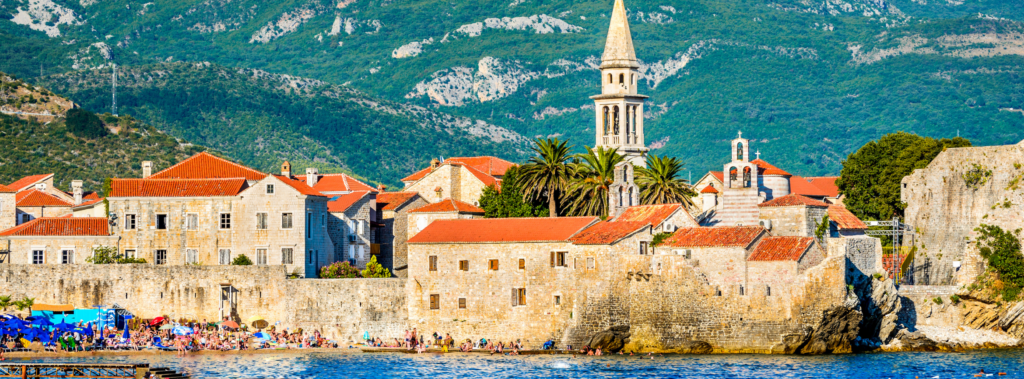
We travelled in style to Montenegro’s former royal capital aboard open-air 4×4 vehicles. The city tour showcased Cetinje’s royal past, including a stop at King Nikola’s Museum, the royal family’s former residence. Throughout the museum, beautifully preserved rooms display an impressive collection of period furniture, personal belongings, clothing, and weaponry, offering insight into royal life in the early 20th century.
Njeguši & Serpentine
Our 4×4 tour continued through mountainous terrain to the village of Njeguši, the birthplace of Montenegro’s royal dynasty. We visited a traditional household for a tasting of local delicacies, including homemade cheeses, wine, and smoked ham. The 4×4 tour resumed as we reached one of Montenegro’s most popular scenic drives: The Kotor Serpentine. “The drive was a thrilling adventure in itself,” recalls Pam.
Local Culinary Specialities in Njeguši:
Njeguški Pršut (Prosciutto): Dry pork leg smoked over beech wood for several months.
Njeguški Sir (Cheese): Salty, full-fat, made from sheep’s milk.
Vranac (Wine): Red wine with aromas of blackberry, sour cherry and spices.
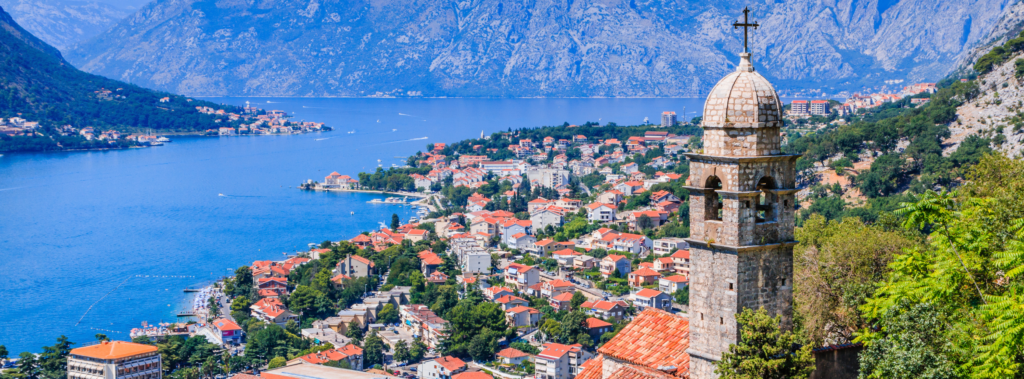
The route turns into a series of switchback roads, with about 25 zigzag bends that climb upward through the mountain. “The extra power of the 4×4 made crossing the steep roads effortless and exhilarating,” says Pam. “The higher we got, the better the views became.” Once at the top, we were treated to stunning views of Boka Bay: blue waters winding between tall mountains dotted with towns on the shoreline.
Klinci Village
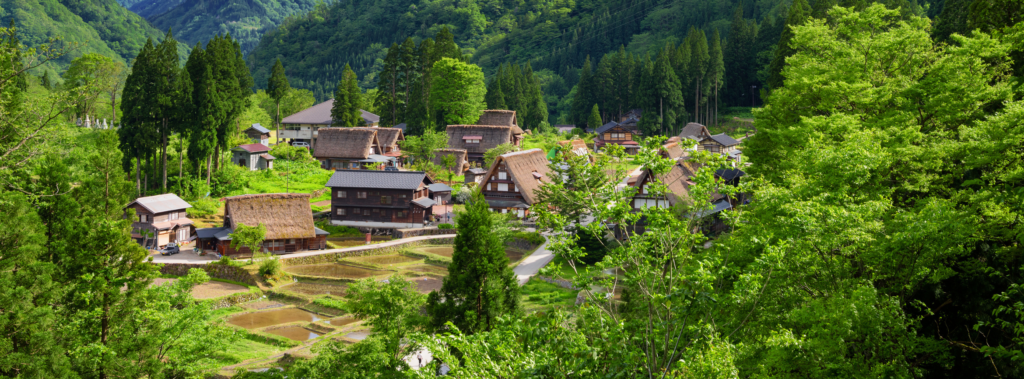
We then drove to Klinci Village, a small stone village on the Luštica Peninsula known for its traditional stone houses that reflect the area’s rural heritage. “It was a very relaxing area: quiet, calm, and full of magnificent sea and mountain views and wonderful olive groves,” says Pam.
Why Rest Stops Are Important for Incentive Programmes?
Allows groups to reset and recharge, staying energised throughout the day.
Helps groups appreciate the destination’s culture through scenery and meals.
Provides the perfect opportunity for bonding amongst the group.
Luštica Bay
A modern coastal destination with a marina, beaches, promenades, hotels, stylish apartments, restaurants, cafes, and boutique shops. “Luštica Bay is the perfect spot for travellers who want to relax, shop, eat, and enjoy the scenery,” adds Pam.
Kotor
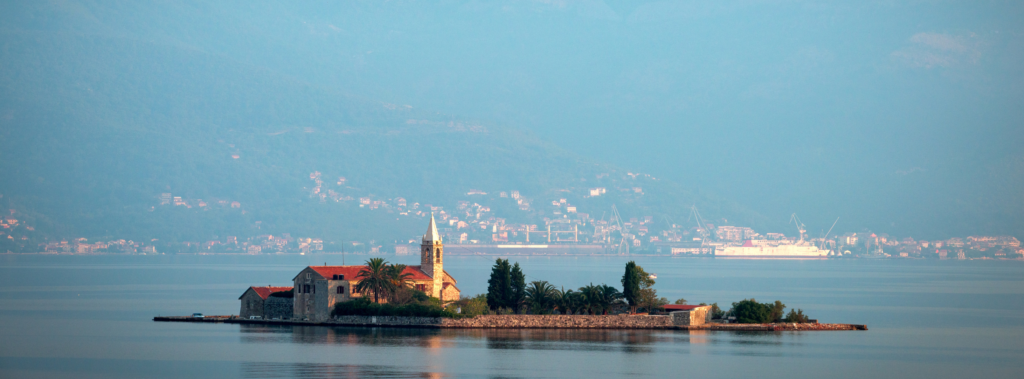
Kotor is a UNESCO World Heritage site situated between limestone mountains and sheltered waters, giving it a fjord-like appearance. These waters form the Bay of Kotor, which we explored on a speedboat cruise. Our first stop was Our Lady of the Rocks, a man-made island that’s home to a beautiful, blue-domed Catholic church. We then sailed further to Perast, a small town with a stunning Baroque style. Pam described the entire cruise experience as “a window into the culture of Kotor.”
Side Note: Just like Budva, Kotor also has a medieval Old Town with historic architecture. However, Kotor feels quieter and more intimate, with most attractions within easy walking distance.
Accommodation
H2: Accommodation
During our trip, we stayed at three luxury hotels:
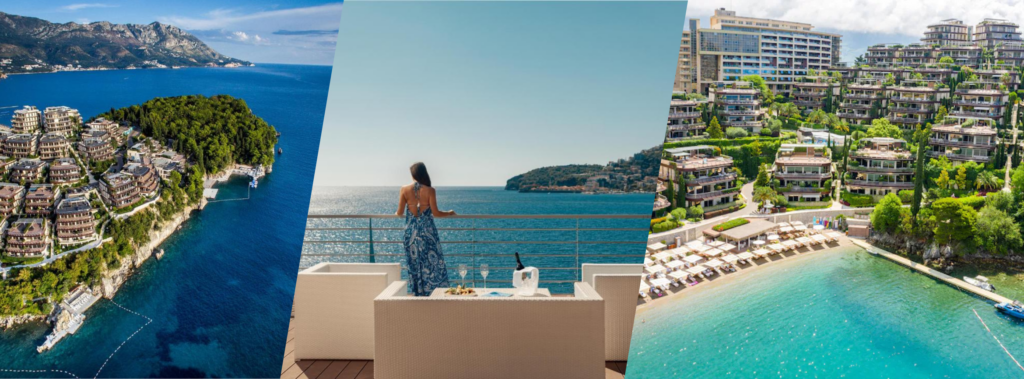
Dukley Hotel & Resort
Location: Budva
Rooms: Modern and chic with apartment and penthouse-inspired designs. Terraces with magnificent views of the Bay.
Amenities: Wellness area (Luxury Spa, Sauna, Gym), water-sport activities, Restaurants, Beach Bars, scenic venues for events.
Pam’s Thoughts: “Dukley isn’t your typical hotel. It’s more like luxury apartment living, with 1-4 bedrooms per unit, making it a unique option for incentive groups.”
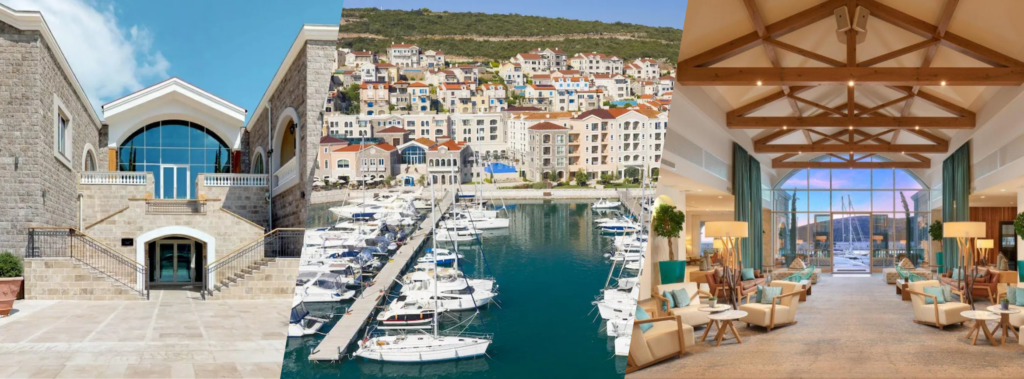
The Chedi Luštica Bay Hotel
Location: Luštica Bay
Rooms: Bright-coloured décor with mesmerising views of the marina, sea, and surrounding hills.
Amenities: Private beach access, pools, outdoor activities, a luxury spa, beach bar, lounge, and various restaurants.
Pam’s Thoughts: “It felt like we were staying in an Italian village. A beautiful hotel in a beautiful location.”
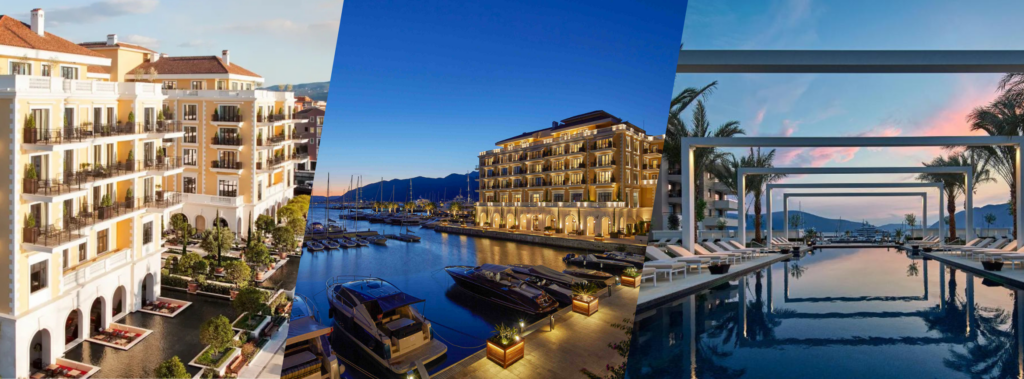
Hotel Regent Porto Montenegro
Location: Porto Montenegro, Boka Bay
Rooms: Sophisticated and ultra-luxe with stunning views of the marina and bay.
Amenities: Upscale dining venues, spa and wellness facilities, gym, pools, pool bar, and elegant lounges.
Pam’s Thoughts: “Refined, elegant, and well-suited to a more mature clientele.”
The Flavours of Montenegro
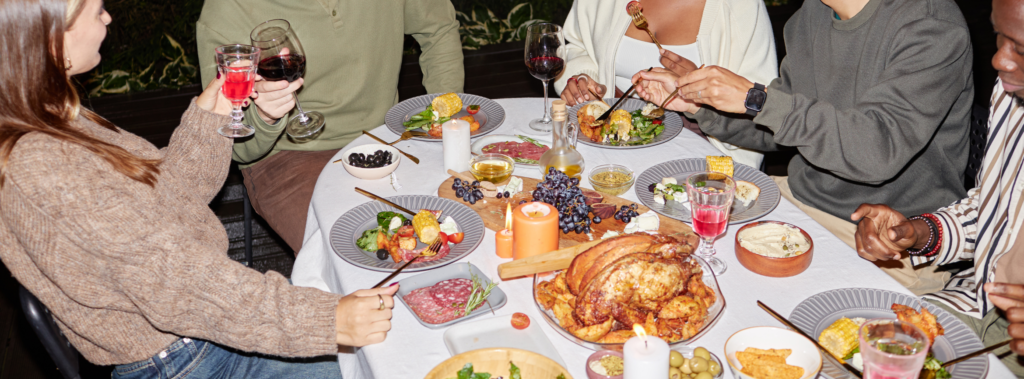
Montenegrin cuisine can be described as a mix of Mediterranean and Balkan flavours. “What you eat in Montenegro really depends on where you are,” says Pam. “Along the coast, it’s all about fresh seafood and lighter Mediterranean dishes, while inland the food becomes more meat-focused, with a strong emphasis on smoked ham, lamb cooked in milk, pastries, and local cheeses.” These are all accompanied by Mediterranean staples such as olive oil, fresh vegetables, black risotto, stuffed peppers, and local wines.
Thanks to Montenegro’s strong blend of coast and mountains, most of the restaurants we visited offered breathtaking views of the sea or surrounding peaks.
Montenegro as an Incentive Destination
According to Pam, Montenegro is an “exquisite destination with a compelling mix of scenery and history.” Travellers are whisked away on an adventure full of variety. There are many natural landscapes (coastline, mountains, and karst formations) that offer exciting one-of-a-kind experiences, tranquillity, and relaxation.
Montenegro’s unique architecture showcases its centuries-old past, turning every sightseeing trip into an engaging and fascinating experience. The food immerses wanderers into Montenegrin culture, while the accommodation adds a touch of luxury and wellness opportunities to help travellers unwind.
“Every experience in Montenegro is special,” adds Pam. “It’s a destination where stunning nature and old-world charm combine to create an experience that is unforgettable, adventurous, relaxing, and truly enlightening.”